How I Learned to Ride the Art Investment Wave Without Drowning
So, I jumped into art collecting—no background, no gallery connections, just curiosity and a small budget. At first, I thought buying art was about taste. Then I realized it’s really about timing, patience, and knowing when to hold on or let go. This isn’t a get-rich-quick story. It’s about learning the real cycle of art investment the hard way—through mistakes, slow wins, and moments I almost quit. Let me walk you through what actually works. Art, unlike stocks or real estate, doesn’t come with daily price updates or clear liquidity. Its value grows in silence, often over years, shaped by culture, recognition, and market shifts. But with the right mindset and approach, it can become a meaningful part of a balanced financial plan—one that blends personal fulfillment with long-term appreciation.
The Spark: Why Art Felt Like the Right Move
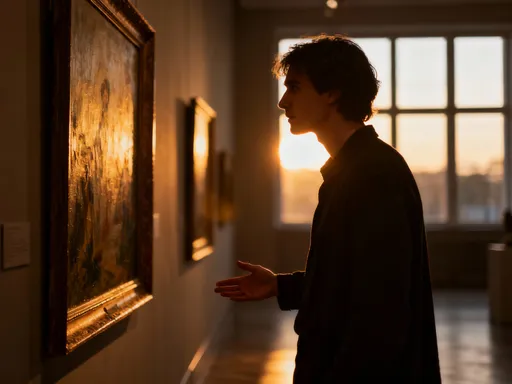
My journey into art investment began not with spreadsheets or market forecasts, but with emotion. I remember walking through a small community art fair on a quiet Saturday morning, drawn not by price tags but by color, texture, and the quiet intensity in the eyes of the artists. One piece stood out—a modest canvas painted by a local woman in her fifties who had only recently begun exhibiting. The painting wasn’t flashy, but it carried a stillness that resonated. I bought it for less than $200, not as an investment, but because I loved it. That decision, made purely on instinct, became the foundation of everything I would later learn about art as an asset.
At the time, I didn’t understand the difference between collecting and investing. I assumed that all art appreciated, especially if it looked impressive or came from a well-known gallery. I quickly discovered that perception doesn’t always match reality. Many pieces, even those priced high at debut, never gain traction in the secondary market. What I began to realize was that value in art isn’t inherent—it’s constructed over time through exposure, critical attention, and collector demand. The emotional connection mattered, but so did strategy.
That first purchase taught me a crucial lesson: art investment starts with passion but must be guided by discipline. The pieces that hold or grow in value aren’t always the most beautiful—they’re the ones tied to artists with momentum, consistency, and a growing footprint in the art world. I began to see my collection not just as decoration, but as a portfolio of cultural bets. Each acquisition carried risk, but also the potential for long-term reward. And unlike stocks, which rise and fall with earnings reports, art responds to slower, deeper currents—curatorial decisions, museum acquisitions, and generational shifts in taste.
What drew me in was not just the possibility of financial return, but the idea of owning something unique—something that couldn’t be replicated. In a world of digital abundance and mass production, a physical artwork felt like an anchor. But I also recognized that this uniqueness comes with trade-offs. Art is illiquid. It can’t be sold instantly. Its value is subjective. And without proper documentation and market awareness, even a masterpiece can sit unsold. So, I committed to learning the rules of this quiet, often opaque market—not to game it, but to navigate it wisely.
Entering the Market: Finding Your Entry Point Without Overpaying
Getting started in art investment is less about having deep pockets and more about having sharp eyes. I quickly learned that paying full price at a high-end gallery wasn’t the only way in—often, it was the most expensive way. My goal became clear: find quality work before it’s widely recognized. This meant looking beyond the spotlight, into artist residencies, university exhibitions, regional art fairs, and online platforms that showcase emerging talent. These spaces often offer the best value, where artists are still building their reputations and pricing reflects accessibility rather than speculation.
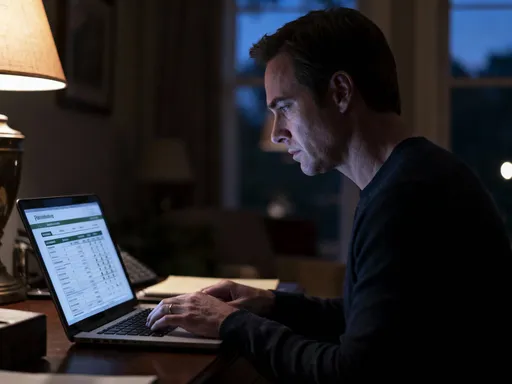
Research became my most important tool. I started tracking artists whose work I admired, not just their current prices, but their trajectory. How often were they exhibiting? Were they being picked up by new galleries? Were they receiving press or inclusion in group shows? These signals, subtle at first, often precede market movement. I created a simple spreadsheet to monitor these factors, treating each artist like a long-term investment candidate. I also learned to read exhibition catalogs and press releases carefully, looking for signs of institutional support—such as museum loans or public commissions—which often signal growing legitimacy.
One of the most important lessons was understanding provenance—the history of ownership. A clean, well-documented chain of custody adds credibility and can significantly impact resale value. I made it a rule to ask for certificates of authenticity and, when possible, to buy directly from the artist or a reputable dealer. I once considered a piece from a secondary seller, but the documentation was vague. Trusting my instincts, I walked away. Months later, I learned the work had been disputed in another sale. That experience reinforced the importance of due diligence. In art, as in any investment, the cheapest price can become the most expensive mistake.
I also learned to avoid the trap of equating size or materials with value. A large canvas or gold leaf doesn’t guarantee appreciation. What matters more is the artist’s vision, consistency, and engagement with the art world. I began to focus on artists who were not just technically skilled, but conceptually strong—those whose work invited interpretation and stood out in a crowded field. By entering early, with modest but thoughtful purchases, I positioned myself not as a speculator, but as a supporter of creative growth. And over time, that support began to pay dividends—both emotionally and financially.
The Holding Phase: Patience When Nothing Seems to Happen
If there’s one phase that tests an art investor more than any other, it’s the quiet years—the long stretch between purchase and recognition. This is when the painting hangs on your wall, admired by guests, but ignored by the market. No auction results, no gallery interest, no sudden surge in value. It feels, at times, like money sitting still. But I’ve come to understand that holding is not passive. It’s a deliberate act of faith, supported by ongoing observation and care.
During this phase, I learned to track subtle indicators of momentum. Was the artist still producing work? Were they applying for grants or residencies? Had they been included in any curated group shows? These small steps, often invisible to outsiders, can signal future growth. I also monitored online auction records and secondary market platforms to see if similar works were beginning to attract bids. Even a slight increase in interest—say, a piece selling for 20% more than two years prior—could be an early sign of movement.
But holding isn’t just about watching the market. It’s also about protecting your investment. I invested in proper storage solutions—climate-controlled space, UV-protected glass, and acid-free materials for any works not on display. I also updated my homeowner’s insurance to include scheduled fine art coverage, ensuring that each piece was valued and protected against damage or loss. These costs, often overlooked by new collectors, are essential. A $5,000 painting isn’t worth much if it’s damaged by sunlight or humidity, or if a fire destroys it without adequate coverage.
There were moments when I questioned my choices. A piece I’d bought with confidence sat untouched for nearly five years. Doubt crept in. Had I misjudged the artist? Was I holding onto sentiment rather than value? But I reminded myself that art cycles are long. Unlike tech stocks that surge and crash in months, art appreciation often takes a decade or more. I stayed informed, kept records, and resisted the urge to sell in frustration. And then, slowly, things began to shift—exhibition invitations, gallery representation, media features. The quiet phase ended not with a bang, but with a whisper. The market had noticed. And because I had held, I was positioned to benefit.
Recognizing the Shift: When Momentum Starts to Build
The turning point in any art investment cycle is rarely obvious at first. It doesn’t come with a flashing headline or a stock ticker alert. Instead, it arrives through a series of small confirmations—like ripples before a wave. For me, the shift began with an auction result. A work by an artist I collected, similar in style and period to one in my own collection, sold for nearly three times its previous high. That wasn’t a fluke. It was a signal.
I began to see other signs: the artist was picked up by a respected gallery in a major city, their work featured in a regional art magazine, and they were invited to participate in a museum group exhibition. These aren’t just honors—they’re market catalysts. Gallery representation, in particular, can dramatically increase visibility and pricing power. When a reputable dealer takes on an artist, it adds a layer of validation that collectors trust. I also noticed more inquiries about the artist online, with collectors asking where to buy or sell their pieces. Demand was rising.
But momentum can be deceptive. Not every uptick leads to sustained growth. I’ve seen artists spike in price due to a single viral post or celebrity ownership, only to fade when the attention passed. So I applied a filter: was the interest broad and sustained, or narrow and fleeting? I looked for multiple independent indicators—critical writing, institutional inclusion, diverse collector base—rather than relying on a single data point. I also avoided emotional decisions. Just because a piece could sell for more didn’t mean it should. I asked myself: is this a peak, or just the beginning?
This phase requires discipline. It’s easy to panic-sell at the first sign of gain, locking in a modest profit but missing the full cycle. It’s equally easy to hold too long, waiting for an unrealistic peak that never comes. I learned to set benchmarks—price targets, time frames, market conditions—that would trigger a reassessment. When those conditions were met, I reviewed the data objectively. The goal wasn’t to chase the highest price, but to exit at the right moment, with clarity and confidence. That balance—between patience and timing—is what separates successful art investors from those who get swept away by emotion.
The Exit Strategy: Selling Smart, Not Fast
Selling art is where many investors stumble. After years of holding, watching, and waiting, the temptation is to act quickly when value rises. But a rushed sale can undo years of careful strategy. I learned this the hard way when I nearly listed a piece during a moment of market excitement, only to pause and reconsider. That delay turned out to be crucial. Within months, the artist had a solo museum show—pushing values even higher. Selling too soon would have cost me a significant portion of the gain.
There are several ways to sell art, each with its own advantages and trade-offs. Private sales offer discretion and speed, often with lower fees than auctions. They work well when you have a network of collectors or know a dealer who represents the artist. Auctions, on the other hand, can generate competitive bidding and public price validation, but they come with seller’s premiums—often 10% to 15%—and no guarantee of sale. Gallery consignments provide expert marketing and access to serious buyers, but they take a commission and may require exclusive representation for a set period.
My first successful sale was through a regional auction house. I chose them because they had a strong track record with mid-career artists and offered pre-sale estimates based on recent comparable sales. I provided all documentation—certificate of authenticity, provenance, condition report—and priced it within the recommended range. It sold just above estimate, covering costs and delivering a solid return. Looking back, what made it work was preparation. I hadn’t decided to sell in a moment of impulse. I had been tracking the market, knew the artist’s trajectory, and set clear criteria for exit.
Tax implications are another critical factor. In many countries, profits from art sales are subject to capital gains tax, and the rate can vary based on how long you’ve held the piece. I consulted a financial advisor to understand my obligations and structure the sale efficiently. I also reinvested a portion of the proceeds into new acquisitions, keeping the cycle alive. Selling isn’t the end—it’s a transition. Done wisely, it funds the next chapter of your collection, with lessons from the past guiding your choices.
Risk Realities: What No One Tells Beginners
Art investment is often romanticized—portrayed as a world of elegance, culture, and effortless appreciation. But behind the beauty are real risks that many newcomers overlook. The most obvious is illiquidity. Unlike stocks, you can’t sell art with a click. Finding the right buyer can take months or even years. There will be times when you need cash, and your portfolio is tied up in pieces that won’t move. This is why art should never be your only investment—it’s best as a complement to more liquid assets.
Forgery is another serious concern. The art world has seen high-profile cases of fake works selling for millions. Even with authentication, disputes can arise years later. I learned to rely on multiple forms of verification: gallery paperwork, artist signatures, provenance trails, and, when possible, expert opinions. I also avoided pieces with unclear histories, no matter how attractive the price. A bargain isn’t a bargain if the work’s legitimacy is in question.
Market bubbles are real, too. Trends come and go. An artist celebrated today may be forgotten tomorrow. I’ve seen collectors pay premium prices for works that later lost half their value when the hype faded. Emotional attachment can cloud judgment. It’s hard to sell a piece you love, even when the market signals it’s time. I’ve had to remind myself that collecting and investing are related but distinct goals. Passion fuels the journey, but prudence protects the outcome.
To manage risk, I adopted a few key rules: I limited my art investments to a fixed percentage of my overall portfolio, diversified across artists and mediums, and never bought with borrowed money. I also set a maximum price per piece, ensuring that no single purchase could jeopardize my financial stability. These boundaries helped me stay disciplined, even when excitement ran high. Art should enhance your financial life, not endanger it.
Full Circle: Building a Sustainable Art Investment Mindset
Looking back, my approach to art investment has evolved from impulsive buying to a structured, long-term strategy. I no longer chase trends or react to short-term fluctuations. Instead, I focus on artists with staying power—those who are consistently producing meaningful work, gaining recognition, and building a sustainable career. I treat each acquisition as both a personal and financial decision, balancing what I love with what makes sense.
One of the most rewarding aspects has been reinvesting profits wisely. Early gains allowed me to buy more significant works, attend art fairs abroad, and deepen my knowledge through courses and collector networks. But I’ve also learned to walk away when necessary. Not every artist I believed in achieved widespread success. Some faded, others plateaued. That’s part of the process. The goal isn’t perfection—it’s progress.
Education remains central. I subscribe to art market reports, attend lectures, and engage with curators and dealers to stay informed. The art world changes—new platforms emerge, collecting habits shift, digital art introduces new questions. Staying current helps me adapt without losing sight of core principles: research, patience, documentation, and emotional discipline.
Art investing isn’t about getting rich overnight. It’s about growing alongside the pieces you believe in, learning from each phase of the cycle, and building a collection that reflects both your taste and your wisdom. It’s a journey of quiet accumulation—of value, knowledge, and meaning. And if you ride the wave with eyes open, you won’t drown. You’ll learn to swim with the current, one thoughtful decision at a time.