How I Navigate Financial Emergencies When Markets Shift
When the unexpected hits—job loss, sudden expenses, or market chaos—your wallet shouldn’t be the first casualty. I’ve been there, scrambling to cover bills while watching investments dip. Over time, I learned that surviving financial emergencies isn’t about luck; it’s about preparation and clear judgment. This is how I stay steady when storms hit, using real strategies that balance risk, liquidity, and long-term vision—without panic or guesswork. Financial stability isn’t built in crisis; it’s revealed by it. The difference between weathering the storm and being swept away often comes down to foresight, discipline, and a calm mind. This article shares practical, proven approaches to managing money when uncertainty strikes, helping you protect what you’ve built while preparing for what’s next.
The Reality of Financial Emergencies: More Common Than You Think
Financial emergencies are not rare events reserved for extreme circumstances. They are, in fact, a normal part of life for most people. A sudden medical bill, an unexpected car repair, a reduction in work hours, or a complete job loss can strike anyone, regardless of income level or financial discipline. According to studies, nearly four in ten adults in the United States would struggle to cover an unexpected $400 expense with cash or its equivalent. This statistic underscores a widespread lack of preparedness, not a lack of effort. The assumption that “it won’t happen to me” is one of the most dangerous financial mindsets because it delays action until it’s too late.
Consider the case of a mid-career professional with a stable job and a modest investment portfolio. One day, a health issue arises requiring immediate surgery and several weeks of recovery. Income stops, medical bills pile up, and savings begin to dwindle. Without a financial buffer, this individual may be forced to liquidate investments at a loss, take on high-interest debt, or rely on family support. What began as a health crisis quickly becomes a financial one. The key lesson is not that emergencies are avoidable, but that their financial impact can be mitigated with planning.
Another common scenario involves sudden job loss. Even in strong economic periods, layoffs occur due to company restructuring, automation, or industry shifts. The average job seeker spends several months finding new employment, during which time fixed expenses like rent, utilities, and loan payments continue. Without an emergency fund, individuals often turn to credit cards or personal loans, increasing their debt burden just when income is lowest. These situations are not signs of poor financial management but evidence of how fragile financial stability can be without proper safeguards.
Recognizing that financial emergencies are inevitable, not exceptional, is the first step toward resilience. It shifts the mindset from denial to preparation. Instead of asking “Will this happen to me?” the better question is “When will it happen, and am I ready?” This proactive stance allows individuals to build systems that absorb shocks rather than break under pressure. Emergency planning is not about predicting the future; it’s about creating flexibility so that when life changes course, your finances don’t have to collapse with it.
Why Trend Judgment Matters More Than Ever in Crisis Moments
During times of financial stress, emotions often override logic. Fear, anxiety, and urgency can lead to impulsive decisions that do long-term harm. This is where trend judgment becomes essential. Understanding broader economic patterns—such as inflation rates, interest rate cycles, employment data, and market performance—provides a stable reference point when personal circumstances feel unstable. It allows individuals to separate temporary fluctuations from structural changes, making decisions based on evidence rather than emotion.
For example, when stock markets decline, many investors panic and sell holdings to avoid further losses. However, historical data shows that markets tend to recover over time, especially for those with long investment horizons. Someone who understands this trend is more likely to hold steady during a downturn, avoiding the costly mistake of selling low. Similarly, recognizing that inflation is rising may prompt a review of savings strategies, such as shifting some funds into instruments that offer inflation protection, like Treasury Inflation-Protected Securities (TIPS) or high-yield savings accounts.
Trend judgment also helps in anticipating changes in borrowing costs. When central banks raise interest rates to control inflation, variable-rate loans become more expensive. A person aware of this trend might choose to refinance into a fixed-rate mortgage or pay down high-interest debt before rates climb further. These are not speculative moves but informed responses to measurable economic shifts. The goal is not to predict the exact timing of market movements but to position oneself in a way that reduces vulnerability.
One powerful tool for trend judgment is access to reliable financial information. Government agencies, central banks, and reputable financial institutions regularly publish data on economic conditions. Learning to interpret this information—even at a basic level—can dramatically improve decision-making. For instance, understanding that unemployment is rising in certain sectors may influence career planning or job search strategies. Recognizing that housing prices are cooling in a particular region might affect relocation decisions or rental negotiations.
Crucially, trend judgment does not require advanced financial expertise. It begins with awareness and grows with experience. By staying informed and thinking critically about economic developments, individuals can make smarter choices during crises. They move from being reactive to being responsive, using data as a guide rather than a guess. This approach fosters confidence, reduces fear, and supports long-term financial health.
Building Your Financial Shock Absorbers Before Trouble Hits
The most effective way to handle a financial emergency is to prepare for it before it occurs. Just as a car has shock absorbers to handle rough roads, a sound financial plan includes buffers that soften the impact of unexpected events. These financial shock absorbers come in several forms: emergency savings, accessible credit, insurance coverage, and diversified assets. Each plays a distinct role in maintaining stability when income is disrupted or expenses spike.
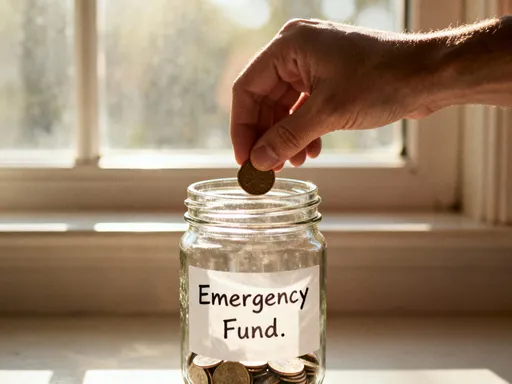
An emergency fund is the cornerstone of financial resilience. Most financial advisors recommend saving three to six months’ worth of essential living expenses in a liquid, easily accessible account. This fund should be kept separate from regular checking or investment accounts to avoid temptation and ensure it remains available when needed. The purpose is not to generate high returns but to provide immediate liquidity. High-yield savings accounts or money market funds are often suitable options because they offer modest interest while preserving principal and allowing quick withdrawals.
Equally important is having access to responsible credit. A well-managed credit card or a personal line of credit can serve as a secondary buffer when cash reserves are insufficient. However, this tool must be used wisely. Relying on credit without a repayment plan can lead to debt accumulation and higher interest costs. The key is to view credit as a temporary bridge, not a permanent solution. Individuals should know their credit limits, understand interest rates, and have a clear strategy for paying off borrowed amounts as soon as possible.
Insurance is another critical component of financial protection. Health, disability, auto, and homeowner’s or renter’s insurance help transfer risk to institutions better equipped to handle large losses. For example, disability insurance replaces a portion of income if an illness or injury prevents someone from working. Without it, a medical emergency could quickly drain savings and investments. Similarly, adequate health insurance prevents a single hospital visit from becoming a financial catastrophe.
Diversification of investments also acts as a shock absorber. A portfolio spread across different asset classes—such as stocks, bonds, real estate, and cash equivalents—is less vulnerable to a single market downturn. When one asset class declines, others may hold steady or even rise, balancing overall performance. This doesn’t eliminate risk, but it reduces the likelihood of total loss. Regular portfolio reviews and rebalancing help maintain this balance over time.
Common mistakes in building financial buffers include underestimating expenses, overestimating investment returns, and neglecting insurance needs. Some people assume they can rely on family or friends in a crisis, but this is not always reliable or sustainable. Others invest emergency funds in volatile assets, hoping for higher returns, only to find them inaccessible when needed. The goal of shock absorbers is safety and accessibility, not growth. By focusing on these principles, individuals create a foundation that can withstand financial disruptions.
When to Hold, When to Sell: Managing Investments Under Pressure
One of the most difficult decisions during a financial crisis is what to do with investment accounts. Market downturns often coincide with personal emergencies, creating pressure to sell assets to cover immediate needs. While accessing investment funds is sometimes necessary, doing so at the wrong time can have lasting consequences. The decision to hold or sell should be guided by a clear framework, not emotion.
Selling investments during a market decline locks in losses. If the market later recovers, the investor misses out on the rebound. For example, someone who sold stocks in early 2009, at the bottom of the financial crisis, would have missed the subsequent decade-long bull market. Timing the market perfectly is nearly impossible, even for professionals. Instead, a better approach is to assess whether the sale is truly necessary and whether alternative sources of funds are available.
A useful rule is to prioritize liquidity sources in order of long-term impact. First, use cash from the emergency fund. Second, consider tapping accessible credit with a clear repayment plan. Only then should investment accounts be considered. If selling is unavoidable, it may be wiser to sell assets that have held their value or are less critical to long-term goals, rather than selling across the board or focusing on losing positions.
Another factor is tax implications. Selling assets held for more than a year may trigger capital gains taxes, reducing the net amount available. In tax-advantaged accounts like IRAs or 401(k)s, early withdrawals may incur penalties and increase taxable income. These costs should be factored into any decision. In some cases, taking a loan from a 401(k) may be a better option, though it comes with its own risks, such as repayment requirements if employment ends.
Psychological factors also play a major role. Fear of further losses can drive people to sell even when holding might be the better choice. Conversely, hope of a quick recovery can lead to holding onto failing investments too long. A disciplined approach involves setting clear criteria in advance for when to adjust a portfolio. This might include rebalancing at regular intervals, setting stop-loss limits, or following a predetermined asset allocation strategy.
Ultimately, investment decisions during a crisis should align with long-term financial goals. A temporary setback should not derail a retirement plan or education fund. By maintaining perspective and relying on a structured process, individuals can make choices that protect both short-term needs and future security.
Cutting Losses Without Losing Ground: Smart Cost Control Tactics
When income drops or expenses rise unexpectedly, reducing spending becomes necessary. However, not all cost-cutting measures are equally effective. Some provide immediate relief without long-term consequences, while others can do more harm than good. The goal is to implement smart, temporary adjustments that preserve financial health rather than sacrificing future stability for short-term survival.
One of the most effective strategies is to renegotiate recurring expenses. Many people overpay for services like internet, insurance, or phone plans because they never review their contracts. A simple phone call to a provider can result in lower rates, promotional offers, or better packages. Similarly, refinancing high-interest debt can significantly reduce monthly payments. For example, consolidating credit card balances into a lower-interest personal loan can save hundreds of dollars in interest over time.
Pausing non-essential subscriptions is another low-impact way to reduce spending. Streaming services, gym memberships, and subscription boxes are convenient but often underused. Temporarily canceling these services can free up cash without affecting basic needs. The key is to view these cuts as temporary measures, not permanent lifestyle changes, so they can be resumed when finances stabilize.
Housing and transportation are typically the largest expenses in a budget. While moving or selling a car may not be feasible immediately, exploring alternatives can help. For renters, asking for a lease renewal at the current rate or negotiating a temporary reduction can provide relief. Homeowners might consider refinancing their mortgage or applying for forbearance programs if available. For transportation, using public transit, carpooling, or delaying vehicle upgrades can reduce costs.
It’s important to avoid actions that compromise long-term financial security. Withdrawing from retirement accounts before age 59½ usually incurs a 10% penalty in addition to income taxes, making it an expensive source of emergency funds. Similarly, skipping retirement contributions, even temporarily, can have a significant impact on future savings due to lost compound growth. These trade-offs should be carefully weighed.
A better approach is to create a temporary budget focused on essentials. This involves listing all expenses, categorizing them as necessary or discretionary, and identifying areas where spending can be reduced without long-term consequences. The goal is not austerity but sustainability. By making intentional, strategic choices, individuals can navigate tough periods without derailing their financial future.
The Hidden Risks of “Quick Fix” Financial Solutions
When facing urgent financial needs, it’s tempting to seek fast solutions. Payday loans, cash advance apps, and high-fee credit products are marketed as easy answers to short-term problems. However, these options often come with hidden costs that can deepen financial distress. Understanding the risks of these “quick fix” solutions is essential to avoiding long-term damage.
Payday loans, for example, typically carry extremely high annual percentage rates (APRs), often exceeding 300%. A two-week loan of $500 can cost $75 or more in fees. If the borrower cannot repay on time, the loan is rolled over, leading to a cycle of debt that can be difficult to escape. Studies show that a significant portion of payday loan users end up renewing their loans multiple times, paying far more in fees than the original amount borrowed.
Cash advance apps and “buy now, pay later” services may seem less harmful, but they also carry risks. Some charge high fees for early access to wages or impose penalties for missed payments. Others encourage overspending by making credit feel like income. While these tools can be useful in moderation, relying on them regularly can mask deeper financial issues and delay meaningful solutions.
Another dangerous quick fix is making aggressive investment changes in response to market stress. Some investors, desperate to recover losses, shift into speculative assets like cryptocurrencies, penny stocks, or leveraged funds. These investments promise high returns but come with extreme volatility and a high risk of total loss. Chasing returns in a crisis often leads to greater losses, especially when decisions are made under pressure.
Safer alternatives exist. Instead of turning to predatory lenders, individuals can explore nonprofit credit counseling, employer hardship programs, or community assistance resources. Many utility companies offer payment plans for customers facing financial difficulty. Local charities and religious organizations may provide emergency aid for food, housing, or medical bills. These options, while not always widely advertised, can offer real relief without the long-term costs of high-interest debt.
The guiding principle is to protect capital. In a crisis, preserving what you have is often more important than trying to regain what you’ve lost. Quick fixes may provide temporary relief, but they rarely solve the underlying problem. By choosing sustainable, low-cost solutions, individuals maintain control over their financial future.
Staying Ahead: Turning Crisis Insight Into Long-Term Resilience
Every financial crisis, while stressful, offers valuable lessons. The most resilient individuals are not those who avoid hardship but those who learn from it. By reflecting on what worked and what didn’t during a difficult period, people can strengthen their financial habits, improve their planning, and build greater confidence for the future.
One of the most important outcomes of a crisis is a clearer understanding of personal risk tolerance and financial priorities. Someone who experienced job loss may realize the importance of maintaining a larger emergency fund or diversifying income sources. Another who faced high medical costs may prioritize health insurance coverage and preventive care. These insights lead to more intentional financial decisions moving forward.
Many people also discover gaps in their knowledge or planning. A crisis can reveal the need for a will, a power of attorney, or a more structured budgeting system. It may highlight the importance of tracking net worth, monitoring credit scores, or setting specific financial goals. Addressing these gaps strengthens overall financial health and reduces vulnerability to future shocks.
Another benefit is improved trend awareness. After navigating a market downturn or economic slowdown, individuals often become more attentive to financial news and economic indicators. This heightened awareness supports better decision-making in both normal and stressful times. It fosters a habit of preparation rather than reaction.
Finally, overcoming a financial challenge builds confidence. Knowing that you’ve managed a crisis successfully makes the next one feel less daunting. This psychological resilience is just as important as financial reserves. It enables calm, rational thinking when pressure mounts, reducing the likelihood of panic-driven mistakes.
True financial strength is not measured by the absence of emergencies but by the ability to handle them with composure and clarity. By building buffers, staying informed, making thoughtful decisions, and learning from experience, individuals can transform moments of crisis into opportunities for growth. The goal is not just to survive the storm, but to emerge stronger, wiser, and more prepared for whatever comes next.