Hiking Trails and Hearty Bites: Sibiu’s Mountain Magic You Gotta Taste
You know that feeling when a place surprises you with more than just views? Sibiu, tucked in Romania’s Carpathians, blew me away—not only with its crisp mountain hikes but also its soul-warming food culture. I went for the trails, stayed for the mămăligă and smoky sausages at a hut 1,200 meters up. This is more than a trek—it’s a flavor adventure. If you love hiking with your stomach leading the way, this is your next must-visit. Nestled in central Romania, Sibiu offers a rare harmony of preserved heritage and untamed nature, where every path leads to both panoramic vistas and deeply rooted traditions. It’s a destination that doesn’t just feed your sense of wonder—it nourishes your soul.
Why Sibiu? The Hidden Gem of Transylvania
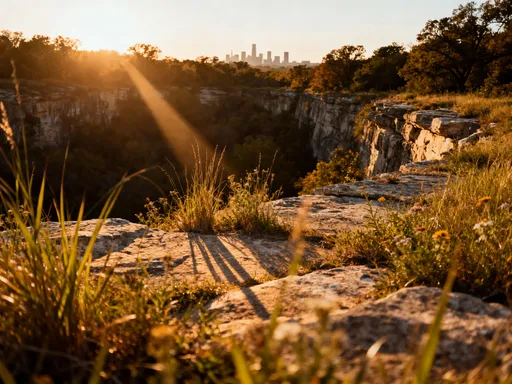
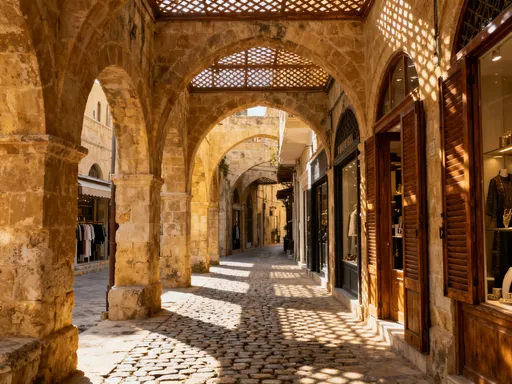
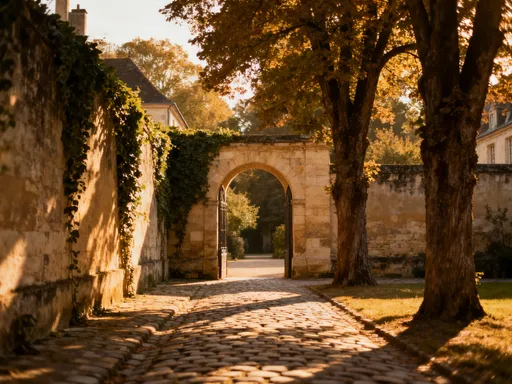
Situated in the heart of Romania’s Transylvania region, Sibiu is a city where history breathes through every cobblestone and arched gateway. Once a medieval stronghold of the Transylvanian Saxons, its beautifully restored Old Town earned UNESCO World Heritage status in 2007, and for good reason. The pastel-colored buildings with their iconic 'watching eyes'—roof windows that resemble curious gazes—invite quiet contemplation and admiration. But beyond the postcard-perfect squares and baroque churches lies a deeper appeal: Sibiu’s unmatched position as a gateway to the Southern Carpathians. Just a short drive from the city center, the landscape rises into forested slopes and alpine ridges, offering immediate access to some of Eastern Europe’s most pristine mountain terrain.
What makes Sibiu a hidden gem for hikers is its balance of accessibility and authenticity. Unlike more commercialized alpine destinations, this region remains refreshingly unspoiled. Locals still speak Romanian with a melodic cadence, and village life unfolds at a pace dictated by seasons rather than schedules. The city itself functions as an ideal base—compact enough to navigate on foot, yet equipped with modern amenities, charming guesthouses, and a growing reputation for cultural festivals and culinary revival. Whether you’re sipping coffee in the Great Square or stocking up on trail snacks at a local market, you sense a place proud of its identity, welcoming visitors not as tourists, but as guests.
Sibiu’s location also makes it a natural crossroads. Historically, it served as a trade and cultural hub between Central Europe and the Balkans, a legacy reflected in its architecture, cuisine, and warm hospitality. Today, that same spirit of connection endures in the way mountain trails link villages, and how shared meals at high-altitude huts foster camaraderie among strangers. For travelers seeking more than just scenic overlooks, Sibiu offers a journey into a living culture—one where nature and tradition walk hand in hand.
Trail Choices: From Gentle Walks to High Peaks
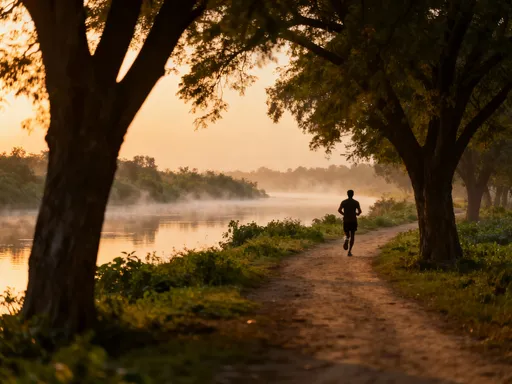
The beauty of hiking near Sibiu lies in its diversity. Whether you’re a seasoned trekker or a beginner looking for a peaceful forest stroll, the surrounding mountains offer a trail that fits your pace and ambition. The Păltiniș Massif, located just 30 kilometers south of the city, is a favorite starting point. Its well-marked paths wind through beech and spruce forests, opening up to sweeping views of the Cibin Valley. The ascent to Păltiniș Peak (1,462 meters) takes about three hours round-trip and is manageable for most fitness levels, making it a perfect introduction to the region’s alpine terrain.
For a more immersive experience, the Cindrel Mountains offer one of Romania’s most rewarding moderate hikes—the Cindrel Circular Trail. Spanning approximately 18 kilometers, this full-day trek traces a high-altitude ridge with uninterrupted panoramas of rolling green summits and distant snow-dusted peaks. The trail passes through alpine meadows bursting with wildflowers in summer and crosses small streams fed by mountain springs. With an elevation gain of around 800 meters, it challenges the legs without overwhelming them. Hikers often describe the sensation of walking above the tree line as both exhilarating and meditative—a rare blend of physical effort and mental clarity.
Beginners need not feel left out. The path to Turnu Roșu Peak, near the village of Porumbacu de Jos, is a gentle two-hour loop that rewards with a 360-degree view from an ancient watchtower foundation. Families with children or those seeking a lighter day in nature will appreciate the clear signage and steady, gradual incline. All trails in the region follow Romania’s national marking system: red stripes painted on trees and rocks, with double stripes indicating the main route and single stripes for side paths. These markings are regularly maintained by the Romanian Carpathian Society, ensuring reliable navigation even in remote areas.
The best time to hike in the Sibiu region is from June to September, when the weather is most stable and mountain huts are fully operational. July and August bring the warmest temperatures, ideal for high-altitude treks, while June and September offer fewer crowds and vibrant seasonal transitions—wildflowers in early summer, golden foliage in early autumn. It’s important to note that mountain weather can shift quickly, even in summer. Afternoon thunderstorms are common, and temperatures at elevation can drop significantly by evening. Packing layers, a waterproof jacket, and sturdy hiking boots is essential. While the trails are generally safe, informing someone of your route and carrying a basic first-aid kit are wise precautions. With proper preparation, every hike in this region becomes not just an adventure, but a celebration of nature’s grandeur.
Mountain Huts: Where Hiking Meets Home Cooking
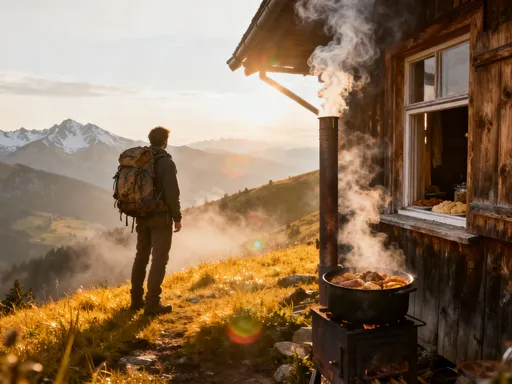
One of the most cherished aspects of hiking in the Sibiu region is the network of mountain huts, known locally as cabane. These aren’t just shelters—they’re cultural landmarks, maintained by hiking associations and staffed by volunteers or local families who keep the mountain spirit alive. Scattered across the Cindrel and Păltiniș ranges, these wooden lodges offer basic dormitory-style accommodation, but their true magic lies in the kitchen. After hours of climbing, there’s nothing more comforting than stepping into a warm hut filled with the aroma of woodsmoke, simmering stews, and freshly baked bread.
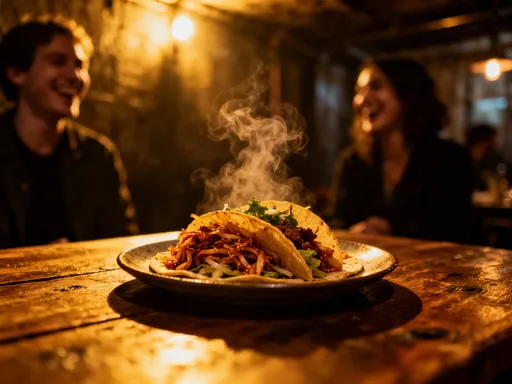
The food served in these huts is anything but ordinary. Meals are homemade, prepared daily using ingredients sourced from nearby villages. You’ll find thick slices of brânză de burduf—a pungent, smoked sheep cheese aged in beech bark—served with cornbread and pickled vegetables. Mămăligă, Romania’s answer to polenta, is often topped with sour cream and cheese, forming a hearty dish that fuels long descents. Grilled sausages, cured ham, and herbal teas made from wild mountain mint are common offerings. Some huts even prepare sarmale on weekends—cabbage rolls stuffed with pork and rice, slow-cooked to perfection.
The experience of dining in a cabana goes beyond sustenance. It’s a moment of connection. Strangers gather around shared wooden tables, swapping stories in a mix of Romanian, German, and broken English. The hut keeper, often a retired teacher or lifelong hiker, might pour you a glass of homemade plum brandy (țuică) as a welcome. There’s a sense of community, of being part of something timeless. These huts are not commercialized—they operate on trust, small donations, and a deep respect for the mountains. Staying overnight allows you to witness sunrise from a ridge, hear the call of alpine birds, and fall asleep to the quiet creak of wooden beams. It’s a reminder that travel, at its best, is about simplicity and presence.
The Taste of the Trails: Sibiu’s Food Culture On the Move
In Sibiu, food is not an afterthought—it’s woven into the very fabric of the hiking experience. The region’s culinary traditions are shaped by its mountainous terrain and agricultural roots. For centuries, people here have relied on preserved meats, fermented dairy, and foraged ingredients to survive long winters. Today, those same flavors define the trailside meals that hikers cherish. Every bite tells a story of resilience, seasonality, and connection to the land.
One of the most iconic trail foods is mici—grilled rolls of spiced minced meat, usually a mix of pork and beef, seasoned with garlic, black pepper, and thyme. While commonly associated with summer barbecues in cities, mici also appear at mountain festivals and special gatherings in huts. Cooked over open flames, they’re served with slices of raw onion and a piece of mămăligă, creating a meal that’s both satisfying and deeply traditional. Another staple is caș, a fresh, tangy cheese similar to farmer’s cheese, often eaten with honey or fruit preserves. Hikers pack it in cloth wraps to keep it cool, enjoying it as a mid-trail snack.
What sets Sibiu’s food culture apart is its hyper-local nature. Ingredients are rarely imported. Instead, they come from family farms, alpine pastures, or the surrounding forests. In late summer and autumn, hikers might be treated to dishes featuring wild mushrooms—chanterelles and boletus gathered by locals and sautéed in butter. In spring, fresh nettle soup appears on menus, a nutrient-rich dish passed down through generations. Even the water you drink comes from natural springs, filtered through limestone and declared safe by local authorities.
This emphasis on authenticity extends to the cooking methods. Wood-fired stoves, cast-iron pots, and clay ovens are still in use, preserving flavors that modern appliances can’t replicate. There’s no fast food, no plastic-wrapped energy bars—just real, nourishing meals made with care. For travelers, especially women between 30 and 55 who value health, tradition, and mindful living, this approach to food is both refreshing and empowering. It’s a return to basics, a reminder that good eating doesn’t require complexity, just integrity.
Off the Beaten Path: Finding Authentic Flavors in Villages
Beyond the trails and huts, some of the most memorable food experiences in the Sibiu region happen in small mountain villages like Roșia, Mărginimea Sibiului, and Apoș. These communities, nestled in green valleys and surrounded by pastures, have preserved a way of life that feels increasingly rare. Here, tourism is not about spectacle—it’s about hospitality. Family-run inns, known as găzduire locală, open their doors to travelers seeking warmth, home-cooked meals, and genuine conversation.
A stay in one of these villages often begins with a multi-course dinner. You might start with a plate of cured meats and pickles, followed by a steaming bowl of ciorbă de burtă—a sour tripe soup known for its restorative qualities. The main course could be roasted pork with mămăligă and sautéed greens, all prepared using recipes handed down from grandmothers. Dessert is likely to be cozonac, a sweet, brioche-like bread filled with walnut paste, raisins, or cocoa, baked for special occasions. Meals are served slowly, encouraging lingering at the table, sharing stories, and savoring each bite.
These village visits are more than culinary events—they’re acts of cultural preservation. Many families rely on small-scale farming, shepherding, and artisanal food production to sustain themselves. By choosing to eat and stay with them, travelers support sustainable livelihoods and help keep traditions alive. Some hosts offer cooking demonstrations, teaching visitors how to shape sarmale or churn butter by hand. Others invite guests to join them in the fields or barns, offering a firsthand look at rural life.
For a fulfilling day, consider combining a half-day hike with a village stop. Start early on a trail leading from Sibiu toward Roșia, descend by noon, and arrive at a family inn just as lunch is being prepared. The contrast between physical exertion and deep comfort—clean mountain air followed by a table full of homemade food—creates a sense of balance that’s hard to find elsewhere. These moments stay with you long after the trip ends, not because they were luxurious, but because they were real.
Planning Your Trip: Logistics Made Simple
Getting to Sibiu is easier than many expect. The city has its own international airport (SBZ), with direct seasonal flights from major European hubs like London, Vienna, and Munich. Alternatively, you can take a train from Bucharest, a scenic six-hour journey through rolling hills and river valleys. Once in Sibiu, the compact center is walkable, and most guesthouses offer luggage storage and trail advice.
For accommodations, options range from historic boutique hotels in the Old Town to eco-lodges just outside the city. If you plan to hike multiple days, consider booking a stay at a mountain hut in advance, especially during July and August. Reservations can be made through the Romanian Carpathian Society website or local tourism offices. For village stays, contacting găzduire locală hosts via email or phone is recommended, as many don’t use online booking platforms.
Packing wisely is key. The mountain weather is unpredictable, so layers are essential: moisture-wicking base layers, a fleece jacket, a waterproof shell, and a warm hat. Sturdy hiking boots with good ankle support are non-negotiable. Don’t forget a reusable water bottle, sunscreen, and a small backpack with snacks like dried fruit or nuts. While many huts sell basic supplies, carrying your own ensures you’re prepared.
For navigation, physical maps from the National Forests Agency are reliable, but the Romanian Carpathian Society’s mobile app is increasingly popular. It offers offline trail maps, elevation profiles, and hut locations. While Romanian is the official language, English is widely spoken in tourist areas, and younger locals often have conversational skills. Learning a few basic phrases—like Mulțumesc (thank you) or Unde este cabana? (where is the hut?)—goes a long way in showing respect.
Here’s a sample 3-day itinerary: Day 1—arrive in Sibiu, explore the Old Town, and dine at a traditional restaurant. Day 2—drive to Păltiniș, hike the massif, and spend the night in a mountain hut. Day 3—descend and visit the village of Roșia for lunch before returning to Sibiu. This schedule balances adventure, culture, and comfort—perfect for travelers who want depth without exhaustion.
Why This Journey Matters: More Than Just a Hike
The journey to Sibiu’s mountains is about more than physical challenge or scenic beauty. It’s about reconnecting—with nature, with tradition, and with the simple joy of a shared meal. In a world where travel often feels rushed and standardized, Sibiu offers a different rhythm. Here, you move at the pace of your footsteps and eat at the pace of tradition. You meet people who welcome you not for profit, but for the pleasure of sharing their world.
This blend of hiking and food culture creates a full-sensory experience that stays with you. It’s the crunch of fresh bread, the warmth of a wood-fired room, the silence of a high ridge at dawn. It’s the realization that the best travel moments aren’t captured in photos, but felt in the body and remembered in the heart. Sibiu resists the temptation to perform its heritage. Instead, it lives it—through the cheese aged in cellars, the trails maintained by volunteers, the recipes passed from mother to daughter.
For women in their 30s to 50s, many of whom juggle family, work, and personal well-being, this kind of travel is deeply restorative. It’s not about escaping life, but about remembering what matters—connection, authenticity, nourishment in every sense. Sibiu invites you to slow down, to taste deeply, and to walk with intention. It reminds us that the most meaningful journeys are not measured in kilometers, but in moments of presence.
So if you’re ready to trade crowded resorts for quiet trails, and processed snacks for homemade feasts, let Sibiu be your next destination. Put on your boots, pack your curiosity, and come with an open heart and an empty stomach. The mountains are calling, and they’re serving dinner.