This Is Why Santiago’s Wild Side Steals Your Soul
You know that feeling when a place just gets you? Santiago de Cuba did that to me. Beyond the music and streets, its raw, untamed nature left me breathless. Think misty mountains, hidden waterfalls, and coastlines untouched by crowds. I didn’t expect to fall this hard for its landscapes. If you’re chasing real, unfiltered beauty—this is where your heart will lead. Let me take you deep into the wild side of Cuba’s most soulful city. Here, nature isn’t just scenery—it’s a living, breathing presence that shapes the rhythm of daily life and echoes centuries of resilience. This is not a destination for passive sightseeing. It’s for those who want to feel the earth beneath their feet, hear the call of rare birds in the canopy, and swim in waters so clear they seem to glow. Santiago’s wild side doesn’t shout. It whispers. And when you listen closely, it changes you.
The Green Heart of Santiago
Santiago de Cuba, often celebrated for its vibrant music and revolutionary history, holds a quieter, equally powerful identity—one rooted in its dramatic natural setting. Nestled between the deep blue of the Caribbean Sea and the rugged spine of the Sierra Maestra mountain range, the city occupies a rare geographical sweet spot. This unique position creates a mosaic of ecosystems, from humid coastal forests to cloud-kissed highland ridges. Unlike the flatter, more developed regions of northern Cuba, Santiago’s terrain is steep, lush, and refreshingly unspoiled. The city climbs and curves along hillsides, with neighborhoods perched like watchful sentinels above the bay, each turn revealing another glimpse of green.
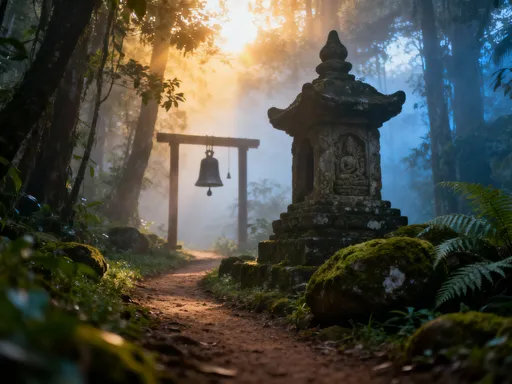
The Sierra Maestra, stretching over 250 kilometers along Cuba’s southeastern coast, forms the backbone of this natural abundance. Its highest peak, Pico Turquino, rises to 1,974 meters, making it the tallest mountain in the country. The range acts as a climate engine, capturing moisture from trade winds and feeding a network of rivers, streams, and springs that sustain both the land and its people. This elevation gradient—from sea level to nearly 2,000 meters—creates distinct ecological zones. In a single day, a traveler can experience tropical lowland forests rich with palms and bromeliads, transition into mid-elevation rainforests buzzing with insect life, and ascend into cooler, moss-draped cloud forests where silence feels sacred.
Within the city itself, green spaces offer a refuge from urban rhythms. Parque Céspedes, while historic and cultural at heart, is framed by towering ceiba and royal palms, their canopies filtering sunlight into dappled patterns on the cobblestones. But it’s the edges of the city—the places where pavement gives way to dirt trails and wild vegetation—that reveal Santiago’s true character. Here, nature isn’t contained or curated. It spills over, reclaims, and thrives. Residents often speak of their connection to the land with quiet pride, referring to the mountains as “our protectors” and the sea as “our provider.” This deep-rooted relationship between people and place is visible in farming practices, local traditions, and even the architecture, where homes are built to catch mountain breezes and withstand tropical storms.
For the mindful traveler, this blend of geography and culture presents a rare opportunity. You’re not just visiting a city; you’re stepping into a living landscape shaped by time, weather, and human resilience. Whether you’re strolling through a neighborhood garden or preparing for a highland trek, the green heart of Santiago pulses steadily beneath the surface, inviting you to slow down and listen.
Conquering El Yunque: More Than Just a View
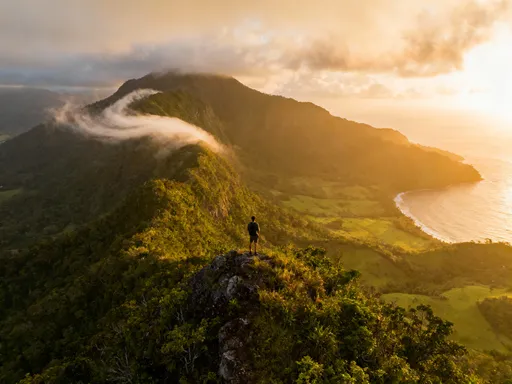
Rising 575 meters above sea level, El Yunque is one of Santiago’s most iconic natural landmarks. This solitary limestone massif, shaped by millennia of erosion, stands like a sentinel just a few kilometers from the city’s edge. Its name, meaning “anvil” in Spanish, reflects its flat-topped silhouette, which glows amber at sunset. While not the tallest peak in the region, El Yunque offers one of the most accessible and rewarding hikes in eastern Cuba. The trail begins near the village of San Juan and winds upward through layers of vegetation, each zone revealing a new facet of the island’s biodiversity.
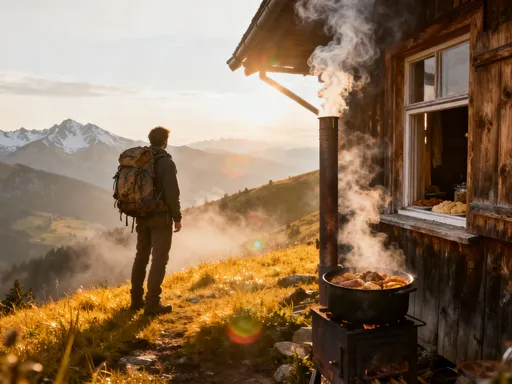
The lower slopes are cloaked in dry tropical forest, where cacti and hardy shrubs cling to rocky soil. As you climb, the air cools and the vegetation shifts. Broadleaf trees like mahogany and guaiacum appear, their trunks wrapped in vines and their branches home to darting lizards and chattering birds. The trail itself is well-marked but rugged—stretches of packed earth, stone steps carved by hand, and occasional wooden railings for support. It’s not a hike for beginners, but it’s manageable for most with moderate fitness. The ascent takes about 1.5 to 2 hours at a steady pace, with plenty of opportunities to pause, breathe, and absorb the surroundings.
What makes El Yunque truly special is not just the panoramic view from the top—though that alone is worth the climb. From the summit, you can see the turquoise arc of Santiago Bay, the patchwork of green valleys below, and the distant peaks of the Sierra Maestra fading into the horizon. On clear days, the island of Jamaica feels almost within reach. But beyond the vista, there’s a sense of historical weight. El Yunque was once a sacred site for the indigenous Taíno people, who believed it to be the home of their gods. Later, it served as a hideout for freedom fighters and revolutionaries, including figures from Cuba’s 19th-century independence struggles. Today, it remains a place of quiet reverence for locals, many of whom visit to reflect, meditate, or simply feel connected to something greater.
For visitors, preparation is key. The best time to hike is early morning, between 6:00 and 8:00 a.m., when temperatures are cooler and the chance of afternoon rain is lower. Wear sturdy shoes with good grip, bring at least one liter of water, and pack a light rain jacket—weather in the mountains can change quickly. Sunscreen and a wide-brimmed hat are also recommended, especially for the exposed sections of the trail. While guided tours are available and highly recommended, especially for first-time hikers, independent trekking is possible for those with a good map and basic Spanish to ask directions. Above all, remember that this is not just a physical challenge. It’s a journey through layers of time, nature, and culture—one that leaves a lasting imprint.
Secret Waterfalls in the Sierra Maestra Foothills
Just beyond the outskirts of Santiago, hidden in the rolling foothills of the Sierra Maestra, lie some of Cuba’s most enchanting natural treasures—secluded waterfalls that cascade into clear, emerald pools. Among them, Salto del Cabre stands out, though it’s rarely marked on tourist maps. Reached via a winding rural road and a 30-minute hike through dense forest, this waterfall drops about 15 meters into a natural basin surrounded by ferns, moss-covered rocks, and the constant hum of cicadas. The water is cool and refreshing, perfect for a swim after the warm climb. Unlike more commercialized waterfalls in other parts of the Caribbean, Salto del Cabre remains largely untouched, visited mostly by locals and adventurous travelers willing to go off the beaten path.
Accessing these falls requires more than just a sense of adventure—it demands local knowledge. Roads can be unpaved and poorly marked, and trails are often overgrown or faint. Hiring a guide from a nearby village is not only practical but also ethical. These guides, often farmers or former park rangers, know the safest routes, the best swimming spots, and the seasonal changes in water flow. They also help ensure that visitors don’t stray into protected areas or disturb wildlife. In return, your support contributes directly to the local economy, making eco-tourism a sustainable alternative to more extractive forms of income.
Other cascades in the region, such as those near the communities of El Salado and La Gran Piedra, offer similar experiences. Some are smaller, mere trickles after the dry season, while others swell into powerful torrents during the rainy months from May to October. The surrounding landscape is a patchwork of small farms, forest reserves, and natural springs. Along the way, you might pass a farmer tending to yucca or coffee plants, or hear the distant call of a Cuban trogon, the island’s national bird. These moments of quiet connection—between people, land, and water—are what make the journey as meaningful as the destination.
Swimming in these falls is generally safe, but caution is advised. Rocks can be slippery, and water depth varies. Always test the area before jumping or diving, and avoid swimming during or immediately after heavy rain, when currents can become strong. Bring water shoes if possible, and pack out all trash—there are no waste facilities in these remote areas. Most importantly, approach these places with respect. They are not attractions to be conquered, but natural sanctuaries to be honored. When you leave, let the only trace be your footprints—and even those will fade with the next rain.
Siboney and Beyond: Where Land Meets Caribbean Blue
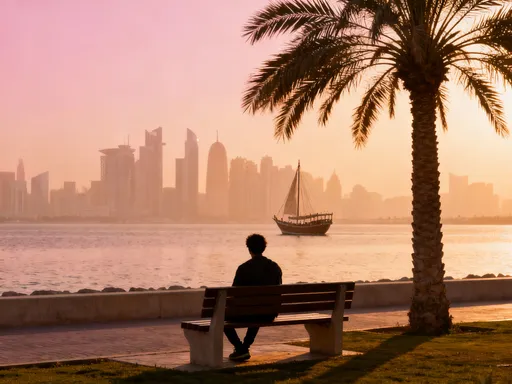
On the southern edge of Santiago, where the mountains slope gently into the sea, lies Siboney—a coastal neighborhood that offers a refreshing contrast to the city’s bustling core. Its beach, while not as famous as Varadero or Cayo Coco, is a local favorite, known for its soft sand, gentle waves, and clear, shallow waters. Families gather here on weekends, children splash near the shore, and fishermen mend their nets under the shade of almond trees. There’s a low-key charm to Siboney, a sense of authenticity that’s increasingly rare in more tourist-heavy destinations.
But the true beauty of Santiago’s coastline lies beyond the main beach. A short drive or boat ride reveals a string of hidden coves and rocky inlets, many accessible only by foot or small local vessels. Places like Playa Santa Lucía and Caleta del Toro offer solitude and stunning underwater clarity. Snorkeling here is a delight, with healthy patches of coral hosting colorful fish, sea urchins, and the occasional nurse shark resting in the sand. Unlike overdeveloped resorts, these areas remain largely untouched, with minimal infrastructure and no large hotels. The focus is on preservation, not profit.
Transportation to these coastal spots varies. Siboney is reachable by city bus or taxi, while more remote areas may require a private vehicle or a guided boat tour. Some coves can be hiked to via coastal trails, though signage is limited and the terrain can be rugged. It’s wise to travel with a local or join a small-group tour to ensure safety and minimize environmental impact. Amenities are basic—small kiosks sell fresh coconuts, sandwiches, and cold drinks, but there are no luxury restrooms or rental shops. This simplicity is part of the appeal, offering a return to a slower, more intentional way of enjoying the sea.
Water quality in Santiago’s coastal areas remains relatively high, thanks to limited industrial activity and strong community stewardship. Coral health, while affected by global warming like much of the Caribbean, is still better than in more heavily visited regions. Local conservation groups work to monitor reef conditions and educate both residents and visitors about sustainable practices. By choosing to swim, snorkel, or simply relax in these places responsibly—avoiding sunscreen with harmful chemicals, not touching coral, and taking all trash with you—you become part of that effort. The sea here is not just a backdrop. It’s a living system, and it deserves care.
Flora and Fauna You Won’t Believe Exists Here
Santiago’s wild landscapes are home to a surprising array of plant and animal life, much of it found nowhere else on Earth. The region’s isolation, varied elevations, and tropical climate have created ideal conditions for endemism—the evolution of species unique to a specific area. One of the most iconic is the Cuban trogon, a small, brilliantly colored bird with feathers in the red, white, and blue of the national flag. Often seen flitting through the canopy of mid-elevation forests, it’s a symbol of national pride and a joy for birdwatchers. Its call—a soft, rhythmic coo—adds to the forest’s quiet soundtrack.
Another rare inhabitant is the solenodon, a nocturnal mammal that looks like a large shrew but is actually a living fossil, with ancestors dating back over 70 million years. This unusual creature, found only in remote parts of eastern Cuba, including the Sierra Maestra, is one of the few venomous mammals in the world. Due to habitat loss and introduced predators, it is critically endangered. Spotting one in the wild is extremely rare, but conservationists are working to protect its remaining habitats through reforestation and community education.
The plant life is equally remarkable. Orchids bloom in hidden clearings, their delicate flowers clinging to tree trunks and rocks. The Cuban magnolia, with its large, fragrant blossoms, thrives in the moist understory. In the higher elevations, you’ll find the rarest of all—Cuban pine forests, adapted to the cooler, foggy conditions. These ecosystems are protected within national parks and biosphere reserves, where scientific monitoring helps track changes and guide conservation efforts.
For the average traveler, encountering this wildlife doesn’t require a scientific background—just patience and awareness. A quiet walk through a forest trail at dawn, a stop to listen to bird calls, or a careful look beneath a fallen log can reveal wonders. Local guides often carry binoculars and field guides, enhancing the experience without disturbing the environment. The key is to observe without intruding, to appreciate without taking. These species are not performances. They are part of a fragile, interconnected web that has survived against the odds. To witness them is a privilege—one that deepens your understanding of what it means to protect nature.
How to Travel These Lands Responsibly
As more travelers seek authentic, nature-based experiences, the need for responsible tourism in Santiago’s wild areas has never been greater. The beauty of these landscapes is fragile, shaped by centuries of natural processes and local stewardship. Every footstep, every piece of litter, every ignored trail sign has an impact. But with mindful choices, visitors can help preserve these places for future generations. The first rule is simple: leave no trace. Carry out all trash, including biodegradable items like fruit peels, which can disrupt local ecosystems. Use reusable water bottles and avoid single-use plastics whenever possible.
Staying on marked trails is another crucial practice. These paths are designed to minimize erosion and protect plant life. Venturing off-trail may seem harmless, but it can damage root systems, disturb wildlife, and accelerate soil loss on steep slopes. When hiking, keep noise levels low to avoid startling animals. If you’re taking photos, use natural light and avoid flash, especially at night when many species are active. Never feed wild animals, no matter how curious or friendly they seem. Human food can harm their health and alter natural behaviors.
Supporting local guides and community-run initiatives is one of the most effective ways to travel responsibly. These individuals not only provide valuable knowledge but also benefit directly from tourism income. Choosing eco-conscious tours, staying in family-run casas particulares, and buying crafts from local artisans all contribute to sustainable development. Ask questions about how your visit supports conservation—many guides are proud to share their work and welcome engaged travelers.
Finally, respect protected areas and local customs. Some zones may be closed for restoration or cultural reasons. Obey all signs and regulations, even if they seem inconvenient. Remember that these lands are not just scenic backdrops—they are homes, sacred spaces, and sources of livelihood. By traveling with humility and care, you honor the people and nature that make Santiago’s wild side so extraordinary.
Why This Landscape Changes You
There’s a quiet transformation that happens when you spend time in Santiago’s natural landscapes. It doesn’t come from ticking off sights or collecting photos. It comes from immersion—from walking forest trails as mist rises, from swimming in a hidden pool as sunlight filters through leaves, from standing atop a mountain as the wind carries the scent of rain. These moments slow your breath, quiet your mind, and reconnect you to something elemental. The wild side of Santiago doesn’t entertain. It recalibrates.
This landscape mirrors the spirit of its people—resilient, rooted, and deeply authentic. The mountains have weathered storms and time. The sea has shaped coastlines and cultures. The forests have sheltered life in all its forms. To move through this terrain is to witness endurance, not as a concept, but as a living reality. It reminds us that beauty doesn’t have to be polished to be powerful. That value isn’t measured in convenience, but in depth.
For the women who make up much of this region’s community—farmers, guides, caretakers, mothers—the land is not separate from life. It is life. Their strength, like the roots of a ceiba tree, runs deep. To travel here is to be invited into that strength, not as a spectator, but as a witness. And in witnessing, you begin to carry a piece of it with you.
So if you go, go slowly. Let the pace of nature set your rhythm. Listen more than you speak. Take only memories, leave only footprints. Let the wild side of Santiago not just show you beauty, but show you yourself—clearer, calmer, more connected. Because true travel isn’t about escape. It’s about return. Return to the earth. Return to stillness. Return to what matters. And in the soulful embrace of Santiago’s untamed heart, you may just find it.