This Is What Happens When You Slow Down in Palau
You know that feeling when you’re truly present—where time slows, colors sharpen, and the ocean hums beneath your kayak? That’s Palau, if you let it. I didn’t just visit; I lingered. For weeks, I traded rush for rhythm, swapping packed itineraries for sunrise swims and silent lagoons. This isn’t just travel—it’s immersion. Palau’s natural beauty demands nothing less than slow, intentional exploration. And honestly? It changed how I see every destination since.
The Case for Slowing Down: Why Palau Rewires Your Travel Mindset
Travel today often feels like a race—check a landmark, snap a photo, move on. But in Palau, that pace collapses under the weight of its own futility. The islands, scattered across 190,000 square miles of Pacific Ocean, do not perform for hurried spectators. Their magic reveals itself only to those willing to pause, observe, and return again. This is the essence of slow travel: not merely moving slowly, but seeing deeply, feeling fully, and connecting meaningfully.
Palau, with its isolation and ecological fragility, is one of the world’s most compelling places to practice this philosophy. Located over 500 miles east of the Philippines, it remains remote by design. There are no mass-market resorts crowding the shorelines, no endless streams of cruise ships docking daily. Instead, visitors arrive in modest numbers, often after long flights and island-hopping connections that naturally begin the process of mental unwinding. By the time you touch down, your body has already started adjusting to a different tempo.
Scientific studies have shown that disconnection from urban routines—constant notifications, packed calendars, and performance pressure—leads to measurable reductions in cortisol, the stress hormone. In Palau, this disconnection is not a side effect; it’s the point. The absence of traffic lights, the lack of 24-hour convenience stores, the silence after sunset—all contribute to a sensory reset. What replaces it is not emptiness, but presence: the sound of waves against limestone cliffs, the sight of a reef teeming with life just beneath the surface, the feeling of warm rain on your skin during a midday shower.
When travel slows down, awareness expands. You begin to notice small changes—the way light dances on the water at different hours, how fish behave differently at dawn versus dusk, the rhythm of local life tied to tides and seasons. This heightened attention fosters a deeper appreciation for the environment and the people who steward it. It transforms tourism from consumption into communion.
Moreover, slowing down is an act of respect. It acknowledges that Palau is not a backdrop for personal adventure but a living, breathing culture with its own values, traditions, and environmental challenges. The Palauan people have long practiced stewardship through traditional customs like bul, a community-based conservation practice that temporarily closes fishing areas to allow ecosystems to recover. By adopting a slower, more mindful approach, visitors align themselves with these values, becoming participants rather than passengers.
The shift in mindset does not happen overnight. It requires intention. But once achieved, it changes not only how you travel but how you live. The patience learned while waiting for a sea turtle to surface, the stillness cultivated during a quiet paddle through mangroves—these moments linger long after the trip ends.
Arrival & First Impressions: Stepping Into Island Time
The journey to Palau is part of the transformation. Most travelers arrive via Manila, Tokyo, or Guam, enduring long flights that cross multiple time zones. There are no direct routes from major Western hubs, which ensures that only the truly interested make the trip. The final leg is often a small plane hop from Koror to one of the outer islands, where the runway is little more than a strip of pavement bordered by jungle and sea.
Upon landing at Roman Tmetuchl International Airport, the first thing you notice is the quiet. Unlike bustling international terminals, Palau’s airport is calm, almost hushed. There are no crowds rushing to baggage claim, no aggressive taxi touts. Instead, you’re greeted by warm breezes carrying the scent of frangipani and saltwater. Staff move deliberately, unhurried. Even customs feels like a formality among friends. This is not inefficiency—it’s intentionality. Life here operates on what locals call “island time,” a rhythm dictated by nature, not clocks.
As you step outside, the tropical air wraps around you—humid, alive, rich with the sounds of birds and distant waves. The sky is vast, the ocean a shade of blue that seems unreal until you see it firsthand. There are no billboards, no neon signs, no loudspeakers blaring advertisements. What exists is simple: a few small vans waiting to transport guests, a couple of cyclists pedaling past, and the occasional dog lounging in the shade. The infrastructure is minimal, but sufficient. This simplicity is not a lack—it’s a design.
The transition from traveler to guest begins immediately. You are not entering a destination built for tourism; you are being welcomed into a community. The roads are narrow, winding through coconut groves and past modest homes with brightly painted doors. Music drifts from open windows—soft island melodies, sometimes gospel, always gentle. There is no pressure to do anything. No one asks where you’re going or how long you’ll stay. You are simply here.
This initial immersion sets the tone for the entire experience. It signals that Palau will not conform to your expectations. You must adapt. And in that adaptation lies freedom—the freedom to let go of schedules, to embrace uncertainty, to trust that what comes next will be exactly what you need.
Choosing the Right Base: Staying Where Nature Leads
One of the most important decisions in slow travel is where to stay—and how long. In Palau, the temptation to island-hop can be strong, given the allure of the Rock Islands and remote atolls. But true immersion comes not from seeing more places, but from knowing one place deeply. The most rewarding experiences unfold when you choose a single base and allow yourself to settle in.
Eco-lodges and family-run guesthouses offer the ideal balance of comfort and authenticity. Many are located on quieter islands like Ngella, Mecherchar, or Eil Malk, where the focus is on sustainability and connection. These accommodations are not hidden—they are intentional. Built with local materials, powered by solar energy, and managed by Palauans, they reflect a commitment to low-impact tourism. Rooms are simple but clean, often opening directly onto the beach or surrounded by lush vegetation. There is no room service at all hours, no television, and limited Wi-Fi. Instead, you are invited to listen—to the waves, to the wind, to the silence.
Staying in such places reduces transit time and eliminates the fatigue of constant packing and unpacking. It allows for spontaneity: a sudden rainstorm becomes an excuse to nap under a palm, an early morning tide invites an unplanned snorkel. When your home is steps from the reef, every moment holds possibility.
Booking in advance is essential, especially during the dry season (November to April), when visibility for diving is at its peak. Many small lodges have only a handful of rooms and rely on word-of-mouth. They often require deposits and detailed communication about arrival plans. This process, while requiring more effort than clicking a button on a global booking site, fosters a sense of anticipation and connection. You are not just reserving a room—you are being welcomed by name.
Cultural etiquette is also part of the experience. Guests are expected to remove shoes before entering homes or communal spaces, to dress modestly when visiting villages, and to ask permission before photographing people. These practices are not formalities—they are expressions of respect. By honoring them, travelers become part of the social fabric rather than outsiders looking in.
The decision to stay put deepens familiarity. You begin to recognize the fisherman who passes by each morning in his outrigger canoe, the children who wave as they walk to school, the woman who sells fresh coconuts by the path. You learn the names of local birds, the best spot to watch the sunset, the tide patterns that reveal hidden pools. This intimacy cannot be rushed. It grows slowly, like coral, layer by layer.
Immersive Days: Life on a Palauan Rhythm
A day in Palau does not begin with an alarm. It begins with light—soft gold spilling across the water, birds calling from the trees, the gentle lap of waves against the shore. There is no fixed schedule, only natural cues. You rise when you’re ready, perhaps with a swim in the calm morning sea. The water is warm, clear, alive with movement. Parrotfish dart among the coral, a stingray glides silently beneath you, and if you’re lucky, a green sea turtle surfaces for air.
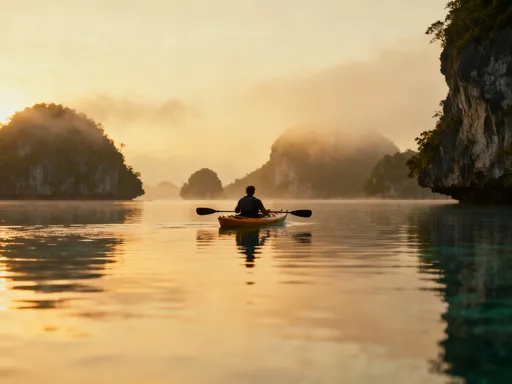
Breakfast is simple: fresh fruit, toasted bread, coffee brewed strong and served in a ceramic mug. Meals are not rushed. Conversation flows slowly, if at all. There is no need to fill the silence. After eating, you might kayak to a nearby cove, paddle through narrow channels lined with mangroves, or hike a short trail to a lookout point. The goal is not to “cover ground” but to be present—to feel the sun on your back, to hear the rustle of leaves, to notice the way the light shifts as clouds pass overhead.
By midday, the heat rises, and the pace slows further. This is the time for rest. Some read under a thatched awning, others nap in hammocks strung between trees. Children play barefoot in the sand, building castles that the tide will soon erase. There is no guilt in doing nothing. In fact, doing nothing is honored here. It is seen not as laziness but as balance—a necessary pause in the rhythm of life.
In the late afternoon, activity returns. You might visit a local market, where women sell taro, breadfruit, and freshly caught fish laid out on banana leaves. Prices are fair, bargaining is not expected, and exchanges are warm. Learning a few words in Palauan—mo tab ma (thank you), ngii a klek (good morning)—goes a long way. People smile, respond in kind, and sometimes invite you to taste something new.
Evenings are for quiet connection. Dinner is often shared family-style, with dishes like kelaguen (grilled meat or seafood marinated in lemon and coconut) and decharu (taro pudding). Stories are told, laughter rises, and the stars emerge—one by one, then by the thousands. Without light pollution, the Milky Way stretches across the sky like a river of light. You might sit on the beach with a cup of herbal tea, journaling or simply watching the night unfold.
Repetition is not monotony; it is intimacy. When you return to the same snorkeling spot each morning, you begin to see changes—the growth of coral, the arrival of new fish, the seasonal migration of jellyfish. You learn the tides like a language. You recognize the faces of locals not because you asked their names, but because you’ve seen them every day. This is the power of slow living: it turns observation into relationship.
Nature’s Highlights: Experiencing Palau’s Wonders Without the Crowd
Palau is home to some of the most extraordinary natural sites on Earth. The Rock Islands, a UNESCO World Heritage Site, rise like ancient sentinels from the sea, covered in emerald forests and surrounded by turquoise lagoons. Jellyfish Lake, where millions of stingless jellyfish pulse through golden waters, draws visitors from around the world. Blue Corner, a world-famous dive site, offers thrilling encounters with sharks, barracuda, and powerful currents.
But these places can be crowded—especially during peak season. The key to experiencing them fully is timing. Visiting at dawn, during the shoulder months, or on weekdays when tour groups are fewer allows for deeper, more personal encounters. There is a difference between seeing a place and feeling it. The early morning light transforms Jellyfish Lake into a cathedral of gold, the jellyfish glowing like living lanterns. Snorkeling at Blue Corner at sunrise means fewer people, calmer seas, and a greater chance to witness the reef awakening.
Kayaking offers another way to access hidden corners. Paddling through narrow channels between islands, you discover secluded lagoons accessible only by water. Some are ringed by limestone cliffs, others dotted with small sandy beaches. You might find a spot where the water is so clear you can see every grain of sand, every crab scuttling beneath the surface. These places are not marked on maps—they are discovered through patience and exploration.
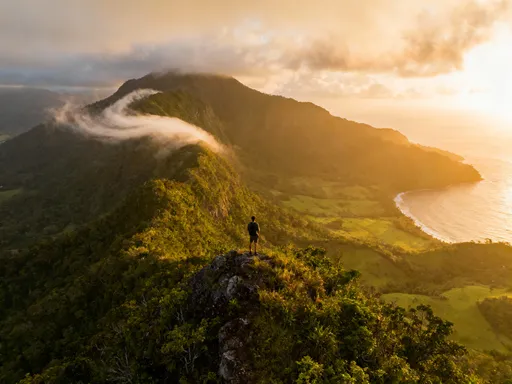
Hiking trails, though modest in length, lead to breathtaking viewpoints. The trail to Ngerukewid Islands Wildlife Preserve, for example, takes about 30 minutes but rewards with panoramic views of the Rock Islands and the open ocean. Night snorkeling, guided by local experts, reveals a different world—octopuses changing color, shrimp glowing under UV light, and reef fish resting in crevices. These experiences are not about adrenaline; they are about wonder.
Responsible behavior is essential. Palau has implemented strict environmental protections, including the Palau Pledge, which all visitors sign upon arrival, promising to act in an ecologically responsible way. This includes not touching coral, not feeding fish, not removing shells or rocks, and using reef-safe sunscreen. These rules are not suggestions—they are part of the social contract. By following them, travelers help preserve the very beauty they’ve come to see.
Local Encounters: Connecting Beyond the Surface
Meaningful travel is not just about places—it’s about people. In Palau, extended stays create space for authentic connections. You begin to recognize the fisherman who casts his net at low tide, the woman who tends her garden near the path, the elder who sits under a tree reading the Bible. Over time, these faces become familiar, then friendly.
Spending weeks in one place allows for more than polite exchanges. You might be invited to help prepare a meal, to join a community event, or to learn how to weave palm fronds into hats. These moments are not staged for tourists—they happen naturally, born of time and trust. One guest shared how, after several weeks at a family-run lodge, she was invited to a traditional bai (meeting house) ceremony, where elders shared stories of ancestral navigation and marine conservation.
Language plays a role, too. While English is widely spoken, making an effort to learn basic Palauan phrases shows respect. Simple greetings, expressions of gratitude, and questions about daily life open doors. Locals appreciate the attempt, even if pronunciation is imperfect. Over time, you pick up more—not from textbooks, but from listening, repeating, and being corrected with kindness.
Environmental stewardship is a shared value. Many Palauans work in conservation, whether as rangers, researchers, or community educators. Conversations with them reveal deep pride in their natural heritage and concern for its future. One fisherman explained how his family has fished sustainably for generations, using methods that protect juvenile fish and allow reefs to regenerate. These insights are not learned in brochures—they are passed down through lived experience.
Such exchanges move beyond transactional tourism. You are no longer a customer buying a service; you are a guest being welcomed into a way of life. This shift in identity fosters mutual respect and lasting memories. Years later, you may not remember every place you visited, but you will remember the woman who taught you to crack a coconut, the child who handed you a seashell, the man who shared his lunch without hesitation.
Practical Slow Travel Tips: Making the Most of Your Pace
Slow travel is not passive. It requires planning, flexibility, and openness. To make the most of your time in Palau, consider these practical tips. Pack light—many outer islands have limited luggage capacity on boats or small planes. Bring reef-safe sunscreen, a reusable water bottle, and a journal to record your observations. Avoid single-use plastics; they are difficult to dispose of responsibly in remote areas.
Plan for longer stays. While two weeks is ideal, even ten days allows for deeper immersion than a rushed week. Book accommodations well in advance, especially if you prefer eco-lodges or homestays. Be clear about your expectations—some places have no electricity after 9 p.m., no hot water, or limited cell service. Embrace these limitations as part of the experience.
Use local transportation when possible. Small vans, known as “pubic” vehicles, operate on informal routes and offer a glimpse into daily life. Boats are the primary mode of inter-island travel; schedules are flexible and weather-dependent. Learn to wait without frustration—delays are not failures, but part of island rhythm.
Support small businesses. Eat at family-run restaurants, buy crafts directly from artisans, and hire local guides. Your spending has a direct impact on communities. When you choose a local dive operator over a foreign-owned company, you help sustain jobs and environmental programs.
Respect marine protocols. Never stand on coral, avoid chasing marine life, and maintain a safe distance from turtles and rays. Follow the guidelines of the Palau Pledge, which is printed on your visa and reinforced at lodges and tour centers. These rules exist to protect the ecosystem that makes Palau unique.
Finally, be open to change. Weather may alter plans, boats may be delayed, and connections may not go as expected. Instead of resisting, allow yourself to adapt. Some of the best moments happen when the schedule falls apart—a sudden rainstorm leading to a shared meal under a shelter, a missed boat resulting in an unexpected conversation with a local elder. Flexibility is not a weakness; it is the heart of slow travel.
Carrying the Calm Forward
Leaving Palau is not just a departure; it is a transition. The stillness you found there does not vanish—it lingers, quietly reshaping your perspective. You return home with more than photos and souvenirs. You carry a different sense of time, a deeper appreciation for simplicity, and a renewed awareness of your connection to nature.
True travel is not measured in miles or checklists. It is measured in moments of presence—in the quiet joy of watching a jellyfish pulse through golden water, in the warmth of a shared meal with strangers who became friends, in the peace of lying on a beach with nothing to do and everything to feel.
Palau teaches that some of the most profound experiences come not from doing, but from being. It invites us to slow down not just on vacation, but in everyday life—to savor meals, to listen deeply, to notice the small wonders that pass unnoticed when we move too fast.
Wherever you go next, carry this rhythm with you. Seek depth over distance. Choose presence over productivity. And remember: the world reveals its beauty not to those who rush through it, but to those who pause long enough to see it.