Hiking Trails That Lead to Penang’s Soul
You know what? Hiking in Penang isn’t just about views—it’s a gateway to culture, history, and local life. I never expected that a simple trail through green hills could lead me to centuries-old temples, hidden village shrines, and conversations with elders preserving Malay, Chinese, and Indian traditions. This is more than exercise; it’s connection. If you're looking for an authentic slice of Malaysia, lace up your boots—this journey will change how you see travel.
Why Hiking in Penang Feels Different
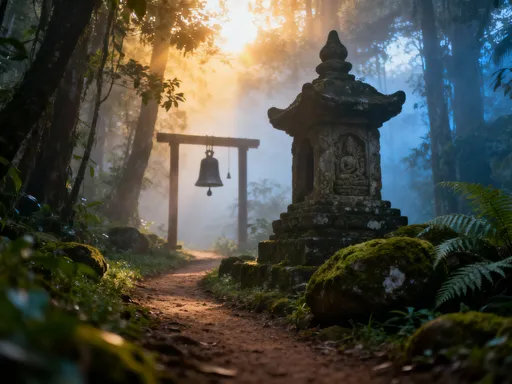
Penang’s hiking experience stands apart from typical tropical treks. While other islands offer scenic rainforest climbs or coastal lookouts, Penang’s trails are woven with living heritage. From the moment you step onto a forest path, you’re not only surrounded by lush greenery and chirping hornbills but also by spirit houses tucked beneath banyan trees, Tamil prayer flags fluttering in the breeze, and the distant chime of temple bells drifting through the air. These are not staged attractions—they are part of daily life, quietly maintained by communities who have lived here for generations.
The island’s unique cultural tapestry is no accident. Its position as a historic trading port brought waves of migration from China, India, and the Malay Archipelago, each group settling in distinct neighborhoods that still thrive today. Over time, these communities expanded into the island’s foothills, building homes, places of worship, and farming plots along the slopes. As a result, many trails today follow old footpaths once used by villagers, traders, and temple devotees. Walking them is not just a physical ascent but a journey through layers of history, faith, and tradition.
What makes these hikes meaningful is their authenticity. Unlike curated cultural tours, these trails offer unfiltered encounters—children playing near a roadside shrine, an elder sweeping temple steps at dawn, the scent of incense lingering in a quiet grove. There’s no admission fee, no tour guide with a microphone—just the rhythm of life unfolding naturally. For travelers seeking depth over checklist tourism, Penang’s trails offer something rare: a chance to move slowly, observe respectfully, and connect meaningfully.
Top Cultural Hiking Routes: Where Nature Meets Tradition
Three hiking routes in particular capture the essence of Penang’s cultural landscape: the Penang Hill Heritage Corridor, the Teluk Bahang Forest Reserve loop, and the Air Itam trail network. Each offers a distinct blend of natural beauty and human heritage, inviting hikers to explore not just the island’s geography but its soul.
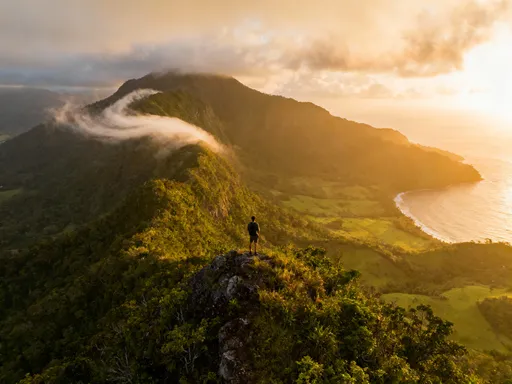
The Penang Hill Heritage Corridor begins at the lower station of the funicular railway but quickly diverges from the tourist path. This trail winds through a subtropical forest dotted with colonial-era bungalows and remnants of British water catchment systems. Stone steps, some over a century old, lead to hidden clearings where Tamil families once gathered for festivals. Along the way, hikers pass small shrines adorned with marigolds and coconut offerings—signs of ongoing spiritual practice. The trail culminates near the summit, where a panoramic view of George Town’s skyline contrasts with the quiet serenity of a nearby hilltop temple.
For a more secluded experience, the Teluk Bahang Forest Reserve loop offers a peaceful immersion in nature with cultural surprises. This 4.5-kilometer trail circles a protected rainforest reserve, passing through dense canopy and alongside a freshwater stream used historically by local farmers. What makes it special are the subtle markers of community presence: a wooden bench carved by a village elder, a small Muslim prayer hut near a clearing, and a cluster of banana trees planted generations ago. The trail is well-marked, suitable for families, and rarely crowded—making it ideal for those who value quiet reflection.
The Air Itam trail network is perhaps the most culturally rich. Starting near the bustling market of Air Itam, this series of footpaths climbs into the hills leading directly to Kek Lok Si Temple, one of Southeast Asia’s most important Buddhist sites. But the journey is just as significant as the destination. Along the ascent, hikers pass Chinese clan shrines, Malay kampung homes with colorful flower gardens, and small altars tucked into rock crevices. Some paths follow old stone staircases built during the late 1800s, used by pilgrims and villagers alike. The elevation gain is moderate, making it accessible to most fitness levels, and the cultural density along the route is unmatched on the island.
Temples, Shrines, and Sacred Spaces Along the Way
Hiking in Penang often leads to moments of spiritual discovery, not through grand declarations, but in quiet, unexpected encounters. The island is home to hundreds of sacred sites, many nestled along or near hiking trails. These are not merely tourist attractions—they are living centers of worship, maintained by devotees who visit daily to light incense, offer flowers, or pray for health and prosperity.
Kek Lok Si Temple is the most prominent, its 30-meter-tall Kuan Yin statue visible from much of the island. But the true depth of spiritual experience lies beyond the main courtyard. Side paths lead to smaller shrines dedicated to ancestors, local deities, and bodhisattvas. One such site, a quiet pavilion surrounded by frangipani trees, is where elderly women sit in meditation each morning. Another, a cave temple near Western Hill, houses a centuries-old Hanuman statue, its surface worn smooth by countless hands. These spaces invite stillness, a pause in the rhythm of the hike to breathe, reflect, and honor the sacred.
Equally powerful are the lesser-known sites. Near the Teluk Bahang trail, a simple Hindu shrine sits beneath a rock overhang, its red and yellow flags fluttering in the wind. Locals believe the site holds protective energy, and small offerings of fruit and milk are left regularly. In the Air Itam hills, a family-run ancestral altar, marked only by a stone tablet and a pair of incense holders, stands as a testament to generational continuity. These quiet places, often overlooked by guidebooks, offer some of the most profound moments on the trail.
When visiting these spaces, respect is essential. Visitors should dress modestly—covering shoulders and knees—and remove shoes before entering temple halls or prayer areas. Speaking softly or remaining silent in sacred zones is appreciated. If unsure, observing local behavior is the best guide. Taking photos is generally acceptable in open courtyards, but it’s courteous to ask before photographing people or active rituals. A small offering, such as a piece of fruit or a stick of incense, can be a meaningful gesture of respect when left at a shrine.
Meeting the Keepers of Culture: Stories from Trailside Communities
Some of the most memorable moments on Penang’s trails happen not on the path, but just beyond it—when a conversation begins, a door opens, or an invitation is extended. These unplanned encounters with local residents add emotional depth to the physical journey, transforming a hike into a human connection.
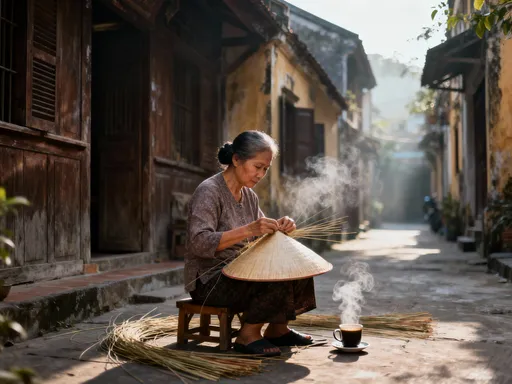
On a morning trek near Air Itam, a hiker might be greeted by a Baba Nyonya elder sitting outside her hillside home, rolling dough for kuih—a traditional steamed cake made with coconut and palm sugar. She may invite visitors in for tea, sharing stories of her grandmother’s recipes and the importance of preserving Peranakan culture. These culinary traditions, passed down through generations, are a vital part of Penang’s identity, and such moments offer a rare glimpse into private family life.
At Kek Lok Si, a Buddhist monk might offer a traveler a cup of warm oolong tea after morning chanting. Sitting together in the temple’s quiet courtyard, he may speak of mindfulness, the rhythm of monastic life, and the role of compassion in daily practice. These exchanges, though brief, often leave a lasting impression—reminders that spirituality is not confined to ritual, but lives in kindness and presence.
Further along the coast, near a fishing village accessible via a coastal trail, a family might be seen preparing for a sea blessing ritual. Nets are laid out, boats are cleaned, and offerings of rice and flowers are arranged. If welcomed, a visitor might learn about the spiritual beliefs that guide fishermen’s lives—the gratitude for safe returns, the respect for the ocean’s power. These traditions, though not widely publicized, are deeply rooted in community identity.
Such encounters are not guaranteed, nor should they be forced. They arise from patience, openness, and a willingness to move slowly. When they happen, they enrich the journey in ways no guidebook can replicate. They remind us that culture is not something to be consumed, but something to be experienced—through conversation, observation, and shared humanity.
How to Hike with Cultural Awareness
Hiking in Penang requires more than physical preparation—it demands cultural sensitivity. The trails pass through active communities, sacred sites, and private spaces, and how travelers behave can have a real impact on local life. Practicing cultural awareness is not about perfection, but about intention—showing respect through small, thoughtful actions.
Dress is one of the most visible signs of respect. When approaching temples, shrines, or villages, wearing clothing that covers shoulders and knees is appropriate. Lightweight, breathable fabrics in neutral colors work well in the tropical climate. Removing shoes before entering homes, prayer halls, or certain temple areas is a common practice and should be observed whenever others are doing so.
Photography should be approached with care. While it’s natural to want to capture beautiful landscapes and unique architecture, photographing people—especially during prayer or rituals—should only be done with permission. A simple smile and gesture can go a long way. In some sacred spaces, photography may be discouraged altogether; if signs are posted or locals seem uncomfortable, it’s best to put the camera away.
Sound matters too. Sacred zones are often places of quiet reflection. Speaking in low tones or remaining silent in temple courtyards, near meditation areas, or during rituals shows respect for those who are praying or meditating. Children should be gently reminded to keep voices down in these spaces.
Another important practice is asking permission before entering private property or village paths. While many trails are public, some footpaths pass through family-owned land or near homes. If a gate is closed or a sign is posted, it’s best to turn back. If in doubt, a polite inquiry in simple English or Malay can clarify access.
Finally, leaving no trace is essential. This means carrying out all trash, avoiding littering, and not picking plants or disturbing wildlife. It also includes respecting offerings—never touching or removing items left at shrines, even if they appear abandoned. These small acts of care preserve both the environment and the dignity of local traditions.
Best Times, Gear, and Local Tips for a Smooth Trek
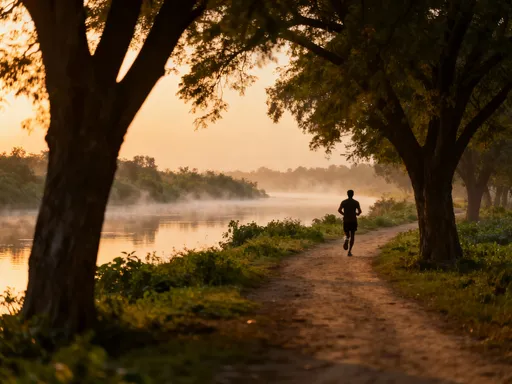
Planning enhances both comfort and cultural respect. The best time to hike in Penang is early morning, between 6:30 and 9:00 a.m. Temperatures are cooler, humidity is lower, and the light is soft—ideal for both walking and photography. Mornings also align with local rhythms: temples are active, markets are opening, and village life is in full motion. Starting early allows hikers to experience these moments before the midday heat sets in.
Afternoon hikes are possible but less comfortable. Temperatures often rise above 32°C (90°F), and sudden rain showers are common, especially during the monsoon season from September to December. Trails can become slippery, so checking the weather forecast before departure is wise. If hiking in the afternoon, carrying extra water and wearing a wide-brimmed hat is recommended.
Proper gear makes a difference. Sturdy, grippy hiking shoes or trail runners are essential—many paths are uneven, rocky, or muddy. Flip-flops or smooth-soled sandals are not suitable. Lightweight, long-sleeved clothing protects against sun and mosquitoes while remaining breathable. A small backpack with water (at least 1 liter), snacks, sunscreen, and a reusable cloth for wiping sweat is ideal. Some hikers carry a small offering—such as an apple, banana, or stick of incense—to leave at a shrine as a gesture of respect.
Transportation to trailheads is accessible. Local Rapid Penang buses serve major starting points like Air Itam and Teluk Bahang. For more flexibility, ride-hailing apps like Grab are widely used and affordable. Taxis are available but should be booked through reputable companies to avoid overcharging.
One of the best local tips: pair your hike with a post-trail meal at a village food stall. After descending from Kek Lok Si, stop by the Air Itam market for a plate of char koay teow or a warm roti canai with dhal curry. These dishes, made fresh and served with pride, are part of the cultural experience. Eating locally supports small vendors and completes the journey from trail to table.
Why This Kind of Travel Changes You
Hiking in Penang does more than showcase scenery—it transforms how we travel. It shifts us from passive observers to active participants, from tourists ticking off landmarks to travelers engaging with living culture. Each step on the trail becomes a moment of connection: with nature, with history, with people.
This kind of travel changes you because it slows you down. In a world of fast flights, crowded attractions, and curated experiences, walking a quiet hillside path offers something rare—stillness. It allows space to notice details: the pattern of incense ash on a stone altar, the sound of a grandmother humming a folk song, the warmth of a shared cup of tea. These small moments accumulate into a deeper understanding of place.
It also fosters empathy. By moving through communities with respect and openness, we begin to see culture not as performance, but as lived experience. We learn that traditions are not frozen in time, but evolving—shaped by generations, yet adapting to the present. We come to appreciate the quiet dignity of those who preserve their heritage, not for show, but because it matters.
And perhaps most importantly, this journey leaves you with more than photos. It leaves you with stories—of a conversation with a monk, a shared meal with a family, a moment of silence beneath a banyan tree. These are the memories that linger, that shape how you see the world long after you’ve returned home.
So if you’re ready to move beyond the surface, to travel with intention and heart, consider Penang’s trails. Lace up your boots, walk with respect, and let the island guide you—not just to its highest points, but to its soul.