You Won’t Believe These Hidden Bites in Atlanta
Atlanta isn’t just about peach-shaped landmarks or busy airports—trust me, the real magic happens on your plate. I went digging for something beyond the usual sweet tea and fried chicken, and wow, did I find it. Think underground supper clubs, secret Korean-Mexican mashups, and family kitchens tucked in quiet neighborhoods. This city’s food scene? Way deeper than you think. If you're craving flavors that surprise and spots that feel like your own discovery, let’s go.
The Soul of Atlanta: More Than Just a Southern Stopover
Atlanta has long been recognized as a gateway to the American South, a city where history and progress walk hand in hand. But beneath its polished skyline and bustling interstate hubs lies a culinary heartbeat that pulses with innovation and heritage. Once known primarily for its fried chicken, peach cobbler, and classic meat-and-threes, Atlanta’s food identity has evolved into something far more nuanced. Today, the city stands as a vibrant crossroads where Southern tradition meets global influence, creating a dining landscape that is both deeply rooted and boldly forward-looking.
This transformation didn’t happen overnight. Over the past three decades, Atlanta has welcomed waves of immigrants from Africa, the Caribbean, Latin America, and Asia, each bringing their own culinary traditions and homegrown techniques. These communities didn’t just settle—they thrived, opening kitchens in homes, shared commissaries, and unmarked storefronts that began to redefine what Atlanta food could be. The result is a mosaic of flavors that honor the past while embracing the future, where collard greens might be braised with smoked plantains and jerk spices, or where cornbread is served alongside fermented kimchi.
What makes this evolution especially powerful is its authenticity. Unlike some cities where global cuisine is commercialized and sanitized for mass appeal, Atlanta’s hidden food culture remains intimate and personal. These are not chain restaurants or influencer-driven concepts; they are family-run operations, chef-led experiments, and cultural celebrations passed down through generations. The soul of Atlanta’s food scene lives in the quiet corners—where recipes are whispered, not printed, and where every meal tells a story of migration, resilience, and love.
Decoding Specialty Dining: What Makes a Meal “Secret” and Special?
So, what exactly qualifies a dining experience as "specialty" or "hidden" in Atlanta? It’s not just about being off the beaten path—though that helps. True specialty dining is defined by intimacy, intention, and exclusivity. These are meals that are often served in non-traditional spaces: a dining room converted into a five-course tasting venue, a backyard transformed into an open-air Ethiopian feast, or a tattoo parlor that doubles as a midnight ramen bar. The settings may be unconventional, but the experience is deliberate—crafted to foster connection, curiosity, and culinary discovery.
One of the defining traits of these hidden gems is limited access. Many operate on a reservation-only basis, with seating for fewer than 20 guests per night. Some chefs host events only once a month, relying on word-of-mouth or private mailing lists to fill seats. There are no flashy websites or online booking systems—just a simple Instagram post, a direct message, or an email confirmation. This exclusivity isn’t about elitism; it’s about preservation. By keeping numbers small, hosts can maintain quality, authenticity, and personal attention, ensuring every guest feels seen and valued.
Another hallmark is cultural authenticity. These meals aren’t designed to cater to passing trends or viral moments. Instead, they reflect the chef’s heritage, personal journey, or creative experimentation. A Haitian-Southern fusion pop-up might serve griot tacos with collard green slaw, while a West African-inspired supper club could offer jollof rice with a smoked Georgia pecan crust. The flavors are bold, unexpected, and deeply meaningful—each dish a tribute to roots and reinvention.
Finally, what sets these experiences apart is the element of surprise. Diners often don’t know the full menu in advance. They trust the chef, embrace the unknown, and surrender to the journey. This sense of adventure—of stepping into a space where anything can happen—is what transforms a meal into a memory. In a world of algorithm-driven recommendations and predictable dining, Atlanta’s hidden bites offer something rare: spontaneity, soul, and the thrill of discovery.
Underground Eateries: Where to Find Them (If You Know How to Look)
Finding Atlanta’s underground eateries requires more than just a GPS—it demands curiosity, local knowledge, and a willingness to look beyond the obvious. These spots rarely appear on tourist maps or even mainstream review sites. Instead, they thrive in the city’s creative enclaves, where artists, makers, and food innovators gather. Neighborhoods like Reynoldstown, West End, and East Atlanta Village have become unofficial hubs for stealthy gastronomy, each offering a unique blend of history, diversity, and community spirit.
In Reynoldstown, a former industrial district turned arts corridor, you might stumble upon a pop-up dinner hosted in a repurposed garage. One night, it’s a Japanese-inspired kaiseki meal with seasonal Southern ingredients; the next, it’s a full Yucatán-style feast with handmade tortillas and achiote-marinated pork. The location might only be revealed 24 hours in advance, and parking is first-come, first-served on the street. But those who make the journey are rewarded with an experience that feels both exclusive and welcoming.
West End, one of Atlanta’s oldest African American communities, is home to some of the city’s most enduring culinary traditions—and its most surprising innovations. Here, grandmothers host weekend brunches that double as pop-up soul food temples, serving smothered pork chops, banana pudding, and cornbread made from family recipes passed down for generations. Meanwhile, younger chefs are experimenting with Afro-fusion concepts, blending West African spices with Southern techniques in shared kitchen spaces that operate under the radar.
East Atlanta Village, with its eclectic mix of dive bars, vintage shops, and indie music venues, has become a breeding ground for experimental dining. It’s not uncommon to find a five-course tasting menu served in the back room of a record shop or a ramen bar operating out of a tattoo studio after hours. These spaces thrive on community support and creative freedom, often relying on social media to announce events just days—or hours—in advance. The lack of permanence is part of the charm: you never know when or where the next great meal will appear, which makes each discovery feel like a personal triumph.
Global Flavors, Local Roots: The Fusion Revolution
Atlanta’s food scene is a living testament to the power of cultural fusion. As one of the most diverse cities in the Southeast, it has become a natural incubator for culinary cross-pollination. Immigrant communities aren’t just preserving their traditions—they’re reimagining them in dialogue with Southern flavors, local ingredients, and urban life. The result is a wave of fusion cuisine that feels organic, respectful, and deeply delicious.
Take, for example, the rise of Haitian-Thai fusion. In a city with a growing Haitian population and a longstanding love for bold, aromatic food, this blend makes surprising sense. Imagine oxtail stew simmered with lemongrass and Thai chilies, or pikliz (Haitian pickled vegetables) served alongside coconut curry. These dishes don’t feel forced or trendy—they emerge from real kitchens, real families, and real neighborhoods where cultures live side by side.
Another exciting development is the West African-Southern fusion movement. Chefs are drawing parallels between the two cuisines—both rich in stews, grains, and slow-cooked meats—and creating dishes that honor both. Jollof rice, a staple across West Africa, might be cooked with smoked Georgia ham hocks for depth, or okra soup might be seasoned with benne seeds and served with cornbread dumplings. These meals are not about erasing tradition but expanding it, showing how food can evolve without losing its soul.
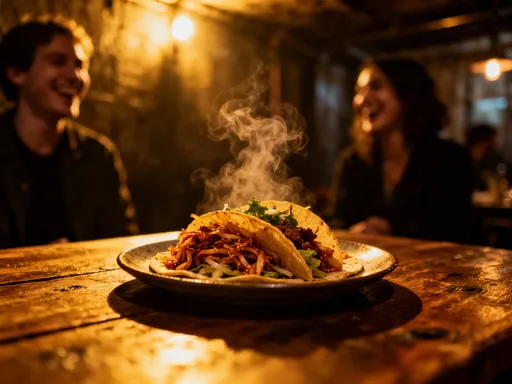
Perhaps the most talked-about fusion in recent years is Korean-Tex-Mex, a playful yet sophisticated blend that has found a natural home in Atlanta. Think bulgogi beef tacos with gochujang crema, kimchi fried rice bowls topped with pickled red onions, or spicy pork belly nachos served on house-made tortillas. These dishes thrive in underground kitchens and food trucks, where chefs experiment freely without the constraints of a traditional menu. The success of this fusion lies in its balance—spicy, sweet, savory, and crunchy all at once, much like Atlanta itself.
How to Access the Unlisted: Tips for Finding and Booking Secret Meals
So, how do you actually get invited to one of these hidden dining experiences? The answer lies in community, connection, and a bit of digital sleuthing. Unlike traditional restaurants, most underground eateries don’t advertise in guidebooks or run paid ads. Instead, they rely on grassroots outreach, social media, and personal networks to reach their audience. The first step is tuning into the right channels.
Instagram is perhaps the most powerful tool for discovering Atlanta’s secret food scene. Many chefs and hosts use the platform to announce upcoming events, share behind-the-scenes photos, and engage with followers. By following local food collectives, pop-up chefs, and neighborhood food bloggers, you can stay informed about last-minute dinners, ticket releases, and location drops. Some events sell out within minutes, so it pays to be active, engaged, and ready to act quickly.
Another effective strategy is joining local food groups or email newsletters. Organizations like Atlanta Underground Eats or Southern Foodways Alliance often curate lists of upcoming events, from backyard supper clubs to chef collaborations. Signing up for these newsletters ensures you’re among the first to know when tickets go live. Some hosts even maintain private mailing lists, offering early access or exclusive invitations to loyal followers.
When it comes to booking, most reservations are handled via direct message, email, or a simple online form. Payment is often made through Venmo or PayPal, and confirmation is sent within 24 hours. Because space is limited, hosts appreciate punctuality, clear communication, and respect for their time and craft. It’s also important to note that many of these meals are priced affordably—not as high-end tasting menus, but as community-supported gatherings where everyone chips in.
Once you’re in, etiquette matters. These are not formal restaurants, but they are deeply personal spaces. Arrive on time, bring an open mind, and be willing to engage with your fellow diners. Many hosts encourage conversation, storytelling, and even helping with simple tasks like setting the table or passing dishes. Above all, show gratitude. A simple thank-you note or social media shoutout can mean a lot to someone who’s spent hours preparing a meal in their home.
Must-Try Experiences: A Curated List of Under-the-Radar Gems
For those ready to dive in, here are a few verified, lesser-known dining experiences that capture the spirit of Atlanta’s hidden food scene. Each offers something unique—not just in flavor, but in atmosphere, intention, and connection.
First, there’s Selam Kitchen, a monthly backyard Ethiopian tasting menu hosted in a Decatur bungalow. Chef Abeba, who emigrated from Addis Ababa two decades ago, prepares a seven-course vegetarian feast using organic ingredients from her garden. Dishes like misir wot (spiced red lentils), shiro (chickpea stew), and azifa (lentil salad with mustard and lemon) are served on a traditional injera platter, meant to be eaten by hand. The ambiance is warm and communal, with soft Ethiopian jazz playing in the background and guests seated on colorful woven mats. Reservations are made via email, and each event supports a local immigrant women’s cooperative.
Next, don’t miss Ink & Noodles, a clandestine ramen bar operating out of a tattoo shop in East Atlanta Village. Every Friday night, after the last tattoo appointment, the space transforms into a 12-seat noodle bar where Chef Marcus serves a rotating menu of tonkotsu, shoyu, and miso ramen with Southern twists. One week, it’s smoked pork belly with peach-infused broth; the next, it’s vegan ramen with collard green pesto and heirloom tomatoes. The experience is intimate, almost secretive—the address is only shared upon booking, and guests are asked to respect the dual nature of the space. It’s not just a meal; it’s a cultural collision in the best possible way.
Finally, there’s La Cenita, a Yucatán-inspired pop-up that takes place once a month in a Reynoldstown warehouse. Led by Chef Luis, a native of Mérida, the event features handmade tortillas, cochinita pibil, and habanero salsa served under string lights and papel picado banners. Guests bring their own chairs, mingle with neighbors, and dance to live música jarocho between courses. Tickets are released on the first of each month via Instagram, and they sell out fast—but those who make it say it feels like a piece of the Yucatán transplanted to Atlanta.
Why These Hidden Bites Matter: Preserving Authenticity in a Trendy Food World
In an era where every new restaurant is instantly Instagrammed, reviewed, and ranked, Atlanta’s hidden dining scenes offer something increasingly rare: authenticity. These are not designed for virality or mass consumption. They exist because people want to share their culture, their stories, and their love of food in a meaningful way. And that’s exactly why they must be protected.
Overexposure can be a double-edged sword. While attention can bring support, it can also dilute the experience. When a pop-up becomes too popular, it may be forced to scale up, compromising the intimacy and quality that made it special in the first place. Some hosts have quietly shut down after going viral, overwhelmed by demand or uncomfortable with the spotlight. The beauty of these spaces lies in their humility—their ability to remain hidden in plain sight, accessible to those who seek them with respect and sincerity.
Sustainability is another concern. Many of these kitchens operate on tight margins, using local, seasonal ingredients and reusable dishware to minimize waste. They prioritize fair wages, community partnerships, and cultural integrity over profit. As diners, we can support these values by being mindful guests—showing up on time, paying fairly, and treating the experience as a privilege, not a commodity.
Ultimately, these hidden bites matter because they remind us that food is more than fuel. It’s connection. It’s memory. It’s a bridge between people, places, and histories. In a world that often feels fast and fragmented, Atlanta’s underground dining scene offers a slower, more intentional way to eat—one that values presence over popularity, depth over dazzle, and heart over hype.
Conclusion: Atlanta’s Best-Kept Secrets Are on the Table
Atlanta’s most memorable meals aren’t always listed on menus or featured in magazines. They’re found in backyards, garages, and converted storefronts, served by chefs who cook not for fame, but for love. They’re discovered through curiosity, shared through trust, and remembered for a lifetime. This quiet food revolution isn’t about exclusivity—it’s about intimacy. It’s about creating spaces where people can gather, connect, and savor something real.
If you’re ready to explore, do so with an open heart and a respectful spirit. Follow the chefs, join the communities, and support the spaces that make Atlanta’s food scene so special. But remember: the goal isn’t to turn every hidden gem into a hotspot. It’s to cherish these moments of discovery, to honor the people who make them possible, and to keep the magic alive—one secret bite at a time.