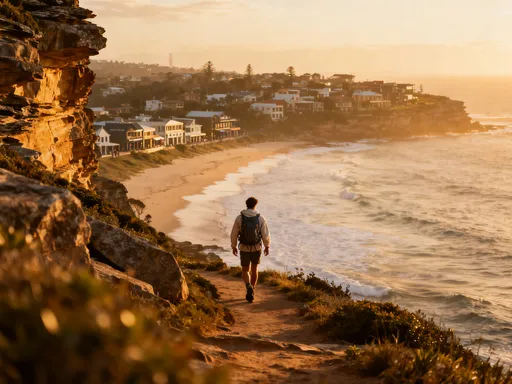
Hiking Trails to Hidden Boutiques: Sydney’s Wild Side and Urban Pulse
You know that feeling when you swap hiking boots for cobblestone strolls and still can’t believe how one city delivers both rugged coastlines and chic shopping? I didn’t expect Sydney to blend outdoor adventure with urban style so seamlessly. From cliff-top trails with ocean views to local markets tucked in leafy suburbs, this city surprised me at every turn. It’s not just about the Opera House or Harbour Bridge—Sydney’s real magic lies where nature meets culture. Here, a morning spent navigating sandstone ridges can effortlessly lead to an afternoon browsing handmade ceramics in a sun-dappled courtyard. This harmony between movement and discovery defines the modern Sydney experience, offering travelers a rhythm that feels both invigorating and deeply personal.
Why Hiking and Shopping in Sydney Just Work
Sydney’s unique geography creates a rare urban balance where wilderness and lifestyle coexist. Unlike many global cities that separate nature from commerce, Sydney is built on a dynamic interplay of bushland, coastline, and cosmopolitan neighborhoods. The city stretches across a natural harbor, flanked by national parks to the south and west, and endless beaches to the east. This layout means that within just an hour’s drive from the central business district, you can be standing atop a windswept cliff watching waves crash below—or winding through quiet forest trails filled with the scent of eucalyptus. What makes this duality so satisfying is how naturally it transitions into urban life. After a morning hike, it feels instinctive to follow the path into a nearby village or seaside suburb where local boutiques, artisan cafés, and independent stores invite slow exploration.
The cultural mindset of Sydneysiders further enhances this connection. There’s a widespread appreciation for active living—walking, swimming, surfing, and hiking are woven into daily routines. At the same time, there’s a strong emphasis on personal style and conscious consumption. Fashion here isn’t about luxury labels; it’s about sustainability, craftsmanship, and individuality. This blend of physical vitality and aesthetic awareness creates a lifestyle where finishing a trail and stepping into a boutique feels less like a shift in activity and more like a continuation of the same rhythm. People don’t see hiking and shopping as opposites; they’re complementary expressions of well-being and self-expression.
Moreover, Sydney’s public transport and trail networks are designed to support these transitions. Many hiking trailheads are accessible by train or ferry, and nearby towns often grow organically around these transit points, preserving a human-scale charm. This connectivity allows visitors to experience both adventure and refinement without relying on cars or complicated logistics. Whether you're exploring the Royal National Park or wandering through the lanes of Paddington, the journey from trail to town unfolds smoothly, supported by thoughtful urban planning and a culture that values both movement and mindfulness.
Starting Point: The Royal National Park Escape
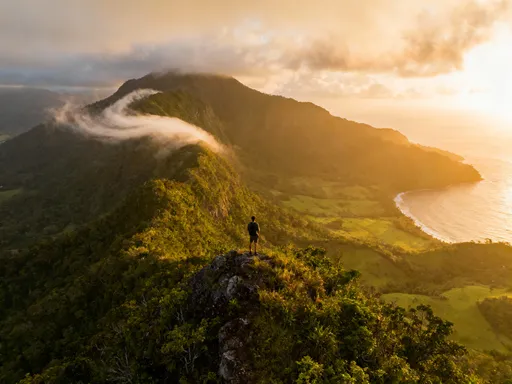
For those seeking a full immersion into Sydney’s dual spirit, the Royal National Park offers an ideal starting point. Established in 1879, it holds the distinction of being the second-oldest national park in the world, and its vast terrain showcases the region’s ecological diversity. One of the most rewarding ways to experience it is by hiking the Coast Track, a 26-kilometer trail that stretches from Bundeena to Otford. While some opt to complete it in sections, many choose a shorter out-and-back route—such as from Bundeena to Marley Beach or Wattamolla—to enjoy the highlights without an overnight commitment. The trail winds through towering eucalypt forests, crosses sandstone plateaus, and opens onto dramatic coastal lookouts where the Pacific Ocean stretches endlessly.
What makes this hike particularly special is its sensory richness. Birdsong echoes through the canopy, wallabies dart between trees, and the salt air grows stronger as you approach each headland. Secluded beaches like Curracurrong Falls, where a freshwater stream spills directly onto the shore, offer rare moments of solitude. After several hours of walking, the trail descends into the seaside suburb of Cronulla, marking a natural transition from wilderness to urban comfort. Here, the pace slows, and the focus shifts from endurance to enjoyment. Cafés with outdoor seating line the main street, many serving flat whites and avocado toast made with locally sourced ingredients. The scent of coffee blends with sea breeze, creating an atmosphere of relaxed sophistication.
Cronulla’s shopping scene reflects its coastal identity. Surf shops display boards and wetsuits alongside sustainable swimwear brands, while small boutiques feature Australian-designed clothing made from natural fibers. Stores like those along Cronulla Esplanade offer handmade soaps, linen garments, and minimalist jewelry—perfect mementos of a day spent in nature. For families, the area is welcoming, with gelato shops, playgrounds, and picnic areas along the beachfront. The journey from trail to town feels earned, not rushed, allowing visitors to savor both the physical accomplishment and the simple pleasures of post-hike indulgence. This seamless blend of effort and reward captures the essence of Sydney’s outdoor-urban rhythm.
The Eastern Suburbs Secret: Bondi to Bronte Trail Meets Local Markets
If the Royal National Park represents Sydney’s wilder side, the Bondi to Bronte coastal walk embodies its accessible charm. This 2.2-kilometer trail is one of the most photographed stretches in Australia, and for good reason. It hugs the eastern coastline, offering uninterrupted views of turquoise water, golden cliffs, and surfers catching waves below. The path is well-maintained, making it suitable for all fitness levels, and it’s especially popular at sunrise when the light casts a soft glow over the ocean. Families, joggers, and tourists walk side by side, creating a lively yet peaceful atmosphere. Along the way, public art installations and ocean pools like Bondi Icebergs add cultural and recreational interest.
What elevates this walk from scenic stroll to lifestyle experience is its direct connection to Bondi’s creative economy. At the northern end of Bondi Beach, the weekend Bondi Markets operate every Sunday, transforming a car park into a vibrant hub of local enterprise. Stalls sell everything from hand-dyed scarves and organic skincare to recycled denim and ceramic tableware. The emphasis is on sustainability and craftsmanship, reflecting the community’s values. Shoppers can meet the makers, hear their stories, and support small businesses that prioritize ethical production. It’s retail with a conscience—a far cry from impersonal malls.
Even outside market days, Hall Street and surrounding lanes offer a curated shopping experience. Boutiques like those specializing in eco-friendly activewear or minimalist homewares cater to a design-conscious crowd. Cafés with outdoor tables serve cold-pressed juices and plant-based pastries, reinforcing the area’s wellness-oriented culture. The shopping here doesn’t feel excessive; it feels intentional. After a morning walk, browsing these stores becomes an extension of the same mindful energy that guided the hike. It’s not about accumulating things—it’s about discovering pieces that align with a balanced, active lifestyle. For many visitors, this combination of movement and mindful consumption becomes the highlight of their Sydney experience.
From Blue Mountains Trails to Mountain Town Shops
A day trip to the Blue Mountains offers a striking contrast to Sydney’s coastal energy while maintaining the same harmony between nature and culture. Located about 90 minutes west of the city, this UNESCO World Heritage-listed region is known for its dramatic sandstone cliffs, eucalyptus-scented air, and deep valleys shrouded in blue haze. The Three Sisters Walk in Katoomba is one of the most accessible and iconic trails, offering panoramic views of the Jamison Valley. For those seeking a more immersive experience, the National Pass trail descends via stone steps into the valley, passing waterfalls and lush fern gullies before looping back up. The physical challenge is balanced by the serenity of the surroundings, making it a favorite among hikers of all levels.
After the hike, Katoomba town provides a perfect counterpoint. Nestled in the mountains, it has a cozy, alpine feel with its brick storefronts, tea houses, and independent bookshops. The retail experience here is quieter, more reflective—ideal for those who appreciate craftsmanship and quiet contemplation. Artisan stores sell locally made candles, handwoven textiles, and bush-inspired perfumes that capture the scent of the surrounding forests. Bookshops feature titles on Australian nature, indigenous culture, and slow living, appealing to readers who value depth over speed. A warm cup of herbal tea in a corner café, enjoyed while looking out at mist-covered ridges, completes the sense of retreat.
What stands out in Katoomba is the sense of community and sustainability. Many businesses are owner-operated, and there’s a visible effort to minimize environmental impact. Recycling stations are common, and single-use plastics are largely avoided. This eco-conscious ethos mirrors the respect visitors show for the natural environment during their hikes. The transition from trail to town feels organic, not commercialized. It’s possible to spend an entire day moving from forest to boutique without ever feeling disconnected from nature’s rhythm. For families, couples, or solo travelers seeking a deeper, more reflective experience, the Blue Mountains offer a powerful example of how adventure and thoughtful consumption can coexist.
Urban Bushland Gems: Lane Cove and Its Riverside Village Vibe
Not all of Sydney’s nature escapes require long drives or ferry rides. Lane Cove National Park, located just 15 kilometers northwest of the city center, offers a surprisingly remote feeling within easy reach. Its network of walking trails follows the Lane Cove River, passing through river-flat forests, rocky outcrops, and quiet picnic areas. The trails range from easy boardwalks suitable for strollers to more challenging routes like the Weeny Bell Track, which climbs through dense bushland. Canoeing is also popular here, allowing visitors to explore the river from a different perspective. Because it’s less touristy than coastal trails, Lane Cove attracts locals who value peace and accessibility.
Emerging from the park, visitors often find themselves in the village of Riverside, a small commercial strip that exudes nostalgic charm. Unlike the trendy boutiques of Bondi or the alpine shops of Katoomba, Riverside feels like a throwback to a simpler time. Antique stores display vintage furniture and retro kitchenware, while florists arrange seasonal blooms in galvanized buckets. Bakeries offer warm sausage rolls and buttery scones, and cafés have mismatched chairs and chalkboard menus. There’s no rush, no crowds—just a quiet hum of daily life. For families, it’s an ideal place to unwind after a morning hike, with parks, playgrounds, and open spaces along the riverbank.
The shopping experience here is not about trends or luxury; it’s about authenticity and connection. You might find a hand-thrown mug in a craft store or a secondhand novel in a tiny bookstore, each item carrying its own history. The pace encourages browsing, chatting with shop owners, and lingering over coffee. It’s a reminder that retail doesn’t have to be fast or flashy to be meaningful. In Riverside, commerce feels human-scaled, rooted in community rather than consumption. For those seeking a gentler version of Sydney’s nature-urban blend, this corner of the city offers a refreshing alternative—one where the journey ends not with a splashy purchase, but with a sense of quiet contentment.
Balancing Nature and Retail: Practical Tips for Seamless Transitions
To fully enjoy Sydney’s blend of hiking and shopping, a few practical considerations can make the experience smoother and more rewarding. First, packing smart is essential. A lightweight backpack with a change of clothes—especially a pair of comfortable walking shoes or sandals—allows for an easy transition from trail to town. Many hikers bring moisture-wicking clothing, a reusable water bottle, and a small towel, which come in handy after a long walk. Sun protection, including hats and sunscreen, is crucial, even on cloudy days, due to Australia’s strong UV levels.
Timing also plays a key role. Starting hikes early in the morning allows visitors to complete their walk before the heat of the day and arrive in nearby towns in time for lunch and afternoon shopping. Many local markets, such as Bondi Markets or those in Katoomba, operate only on weekends and have limited hours, so planning ahead ensures you don’t miss out. Using public transportation can simplify logistics—trains and ferries connect many trailheads to urban centers, reducing the need for parking and making return trips easier. Apps like AllTrails or Google Maps help with navigation, while platforms like Broadsheet or Time Out Sydney highlight independent stores and seasonal events.
Another important consideration is supporting local businesses. After enjoying the free beauty of national parks and coastal walks, choosing to spend at nearby independent shops, cafés, or markets contributes to the sustainability of these communities. Whether it’s buying a handmade candle in Katoomba or grabbing a coffee from a family-run café in Cronulla, these small acts strengthen the connection between nature and culture. They also ensure that the towns that welcome hikers remain vibrant and authentic. Over time, this conscious consumerism helps preserve the very balance that makes Sydney’s outdoor-urban rhythm so special.
Sydney’s Bigger Picture: Where Adventure Fuels Lifestyle
Sydney’s ability to blend rugged outdoor experiences with thoughtful urban living speaks to a broader truth about travel and well-being. The most memorable journeys are not those that check off famous landmarks, but those that allow for natural flow—between movement and rest, effort and reward, nature and nurture. In Sydney, this flow is built into the landscape and the culture. The city doesn’t force a choice between adventure and comfort; it invites you to have both, in harmony.
This integration reflects a modern lifestyle ideal: one where physical activity isn’t separate from daily life, and consumption isn’t mindless but meaningful. Hiking trails lead not just to lookouts, but to communities that value craftsmanship, sustainability, and connection. Shopping becomes an extension of exploration, not a distraction from it. For 30- to 55-year-old women—many of whom balance family, career, and personal well-being—this balance is especially resonant. It offers a model of travel that is energizing without being exhausting, indulgent without being excessive.
Ultimately, Sydney teaches us that the best cities are not those that offer escape, but those that integrate contrast. Nature and culture, effort and ease, solitude and community—they don’t have to be opposites. They can, and should, coexist. As travelers, we can seek out destinations that honor this balance, where a day spent walking through forests can end with a quiet moment in a sunlit boutique, and where every step feels like part of a larger, more fulfilling journey. In Sydney, that journey is not just possible—it’s waiting, just off the trail.